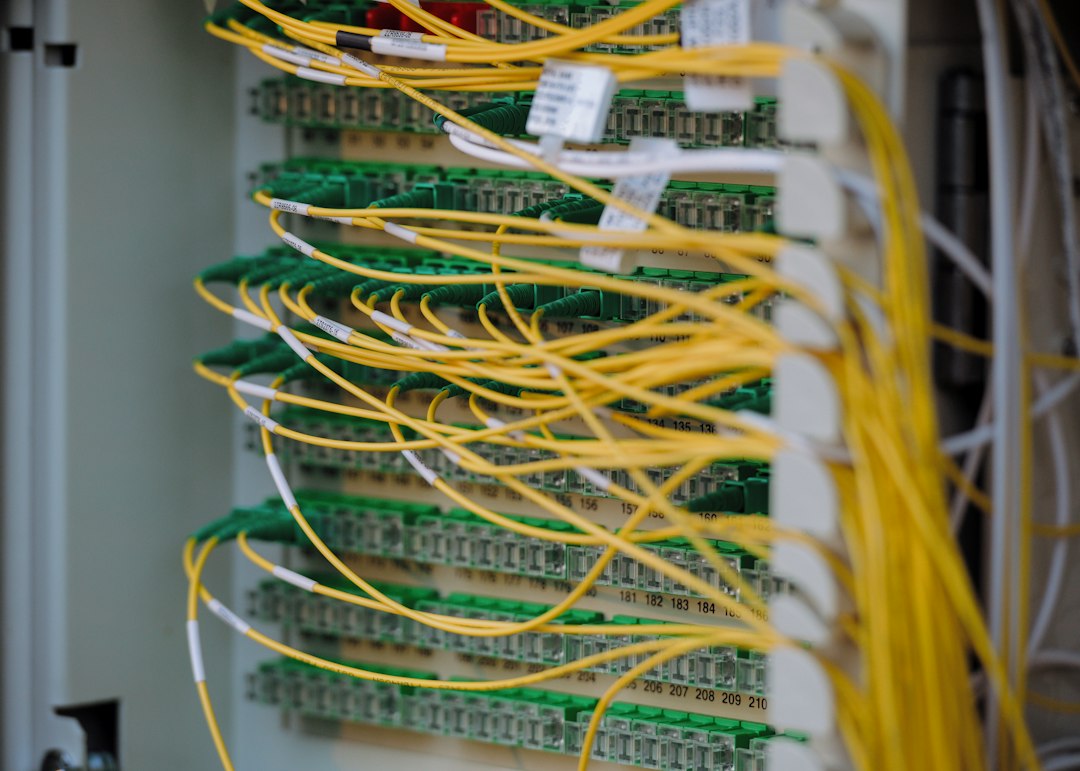
Photo by Albert Stoynov on Unsplash
Connection Pooling: Why Database Connections Are Expensive
Every production application eventually learns the same lesson: opening a new database connection for every query is a performance disaster. Connection pooling has become so fundamental to application architecture that most developers use it without understanding why it exists or how it works.
The Real Cost of Database Connections
Establishing a database connection isn’t cheap. A client must open a TCP socket, perform a three-way handshake, authenticate with the database server, negotiate protocol versions, and allocate memory structures on both sides. For PostgreSQL, this means forking a new backend process. For MySQL, it means spawning a new thread. Each connection consumes memory—typically 1-5 MB per connection depending on configuration—and the database must track session state, temporary tables, and prepared statements.
When an application opens and closes connections for every request, it pays this cost repeatedly. At scale, the overhead becomes measurable. A simple query that executes in 2 milliseconds might take 20 milliseconds when you include connection setup. The database server also experiences load spikes as it manages the constant churn of connection creation and teardown.
How Connection Pooling Works
A connection pool maintains a set of open, ready-to-use database connections. When application code needs to query the database, it borrows a connection from the pool, executes its work, and returns the connection. The pool manages lifecycle details: opening connections lazily, keeping them alive with periodic pings, validating them before checkout, and closing idle connections after a timeout.
This pattern transforms the cost model. Connection establishment happens once, amortized across thousands of queries. The database server sees a stable number of connections rather than constant volatility. Application threads wait only for an available connection from the pool, not for the entire connection setup sequence.
Most connection pool implementations expose configuration for minimum idle connections, maximum pool size, connection timeout, and idle timeout. The minimum keeps a baseline of warm connections ready. The maximum prevents runaway connection growth that could overwhelm the database. Timeouts ensure that slow queries don’t indefinitely block other threads and that unused connections don’t leak.
Pooling at Multiple Layers
Modern architectures often use connection pooling at multiple points. An application server might run a local pool with 10-50 connections. A connection pooler like PgBouncer or ProxySQL sits between application servers and the database, multiplexing hundreds of application connections down to a smaller set of database connections. Cloud-managed databases often include built-in pooling layers.
This layered approach addresses different constraints. Local pools reduce per-query latency by keeping connections physically close to application code. External poolers provide connection multiplexing across many application instances, critical in serverless environments where individual functions are short-lived. They also enable transaction and statement-level pooling modes that further optimize resource usage.
Common Pitfalls
Setting pool size correctly matters. Too small, and application threads queue waiting for connections, creating artificial bottlenecks. Too large, and the database becomes overloaded with concurrent queries, thrashing on locks and context switches. A good heuristic is to size the pool based on the number of concurrent queries your database can efficiently handle, not the number of application threads.
Connection leaks are another frequent problem. If application code fails to return a connection to the pool—often due to an exception that bypasses cleanup logic—the pool gradually depletes until all threads block. Modern frameworks address this with automatic connection management, but manual resource handling still requires discipline.
Finally, long-lived connections can accumulate state. Temporary tables, session variables, and uncommitted transactions can bleed across logical requests if connections are reused carelessly. Pool implementations typically offer validation queries or reset commands to clean state between checkouts.
Why It Still Matters
Even as databases evolve and new protocols emerge, the fundamental economics of connection pooling remain. HTTP/2 and HTTP/3 use connection pooling and multiplexing for similar reasons. Message queues, cache systems, and RPC frameworks all adopt the pattern. The underlying principle is universal: when resource setup is expensive relative to usage, pooling amortizes the cost and stabilizes load on the resource provider.
Connection pooling is invisible when it works and catastrophic when it doesn’t. Understanding the mechanics—and the constraints—turns it from a magic configuration block into a tool you can reason about and tune.