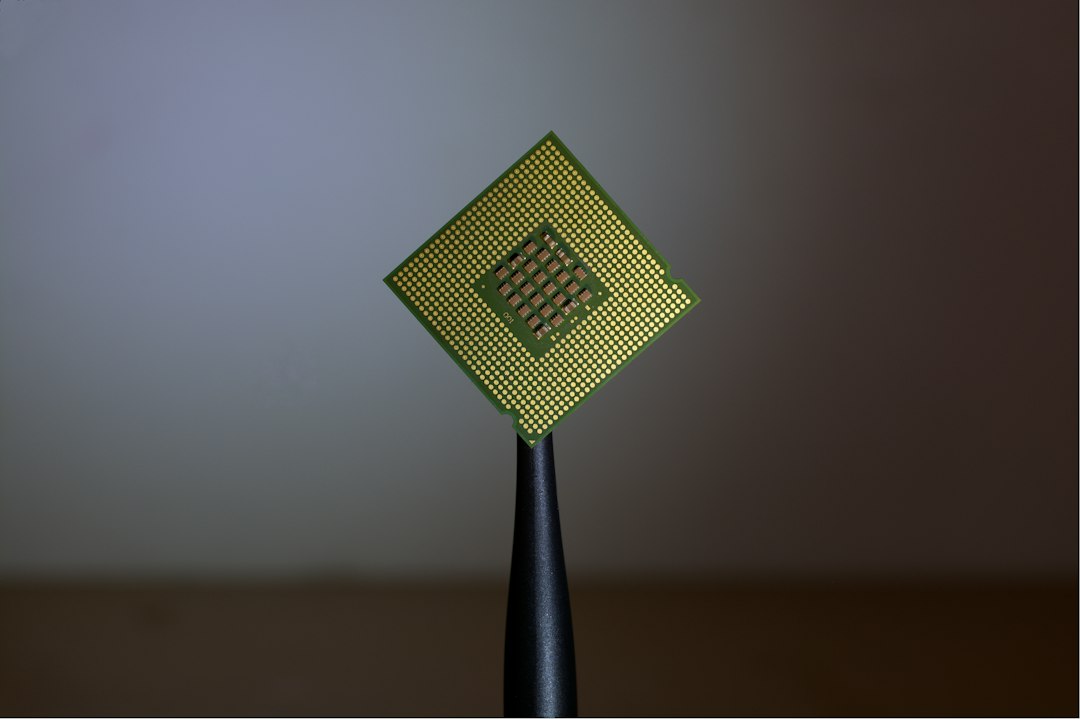
Instruction Cache Misses: When Branch-Heavy Code Slows CPUs

Phantom Types: Compile-Time State Tracking Without Runtime Cost
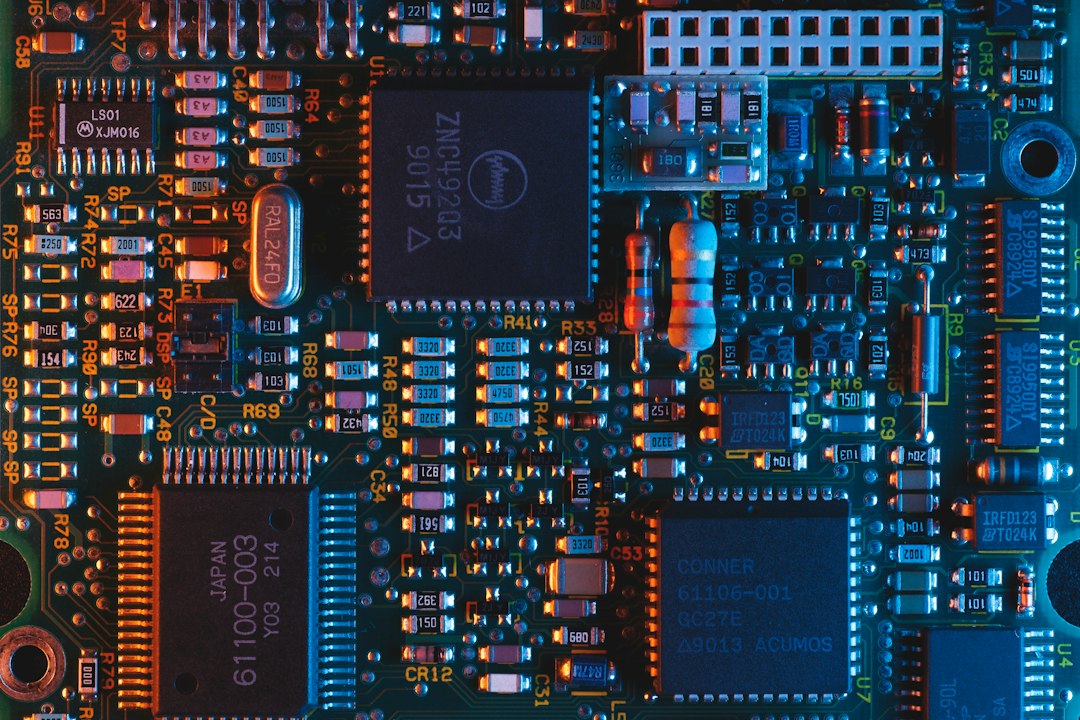
Data-Oriented Design: Performance Through Memory Layout

Polling vs Interrupts: When to Check vs When to Wait

Binary Serialization Formats: Size vs Speed Tradeoffs
CAP Theorem: Why Distributed Databases Make Tradeoffs
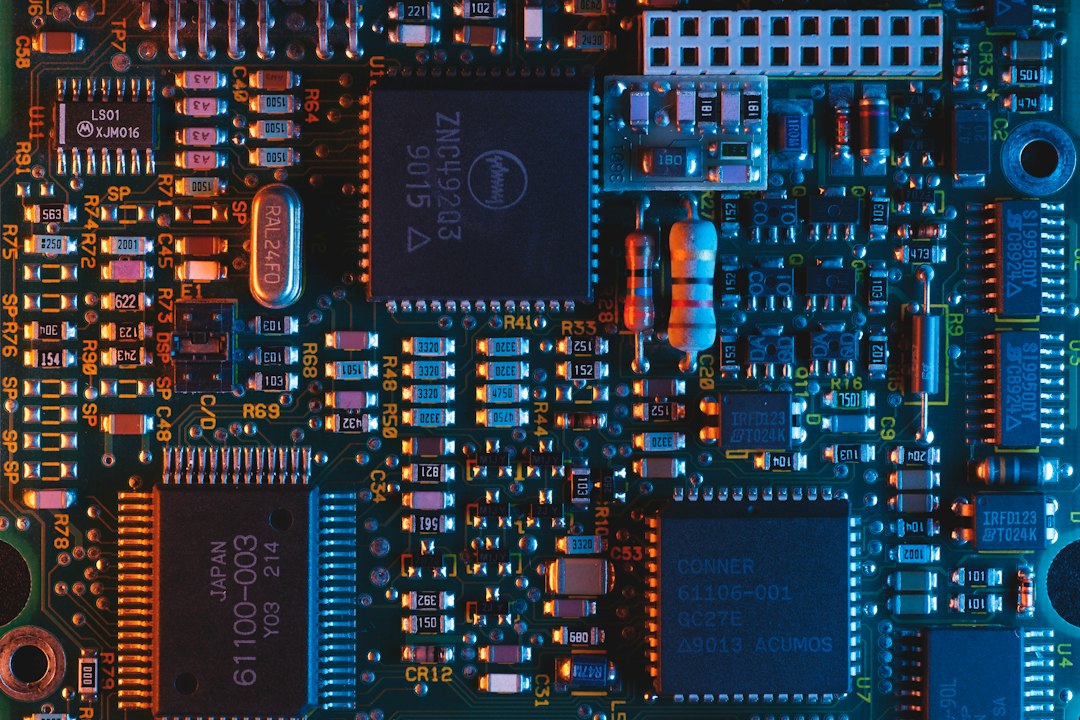
Pointer Compression: Shrinking 64-Bit Addresses to Save Memory
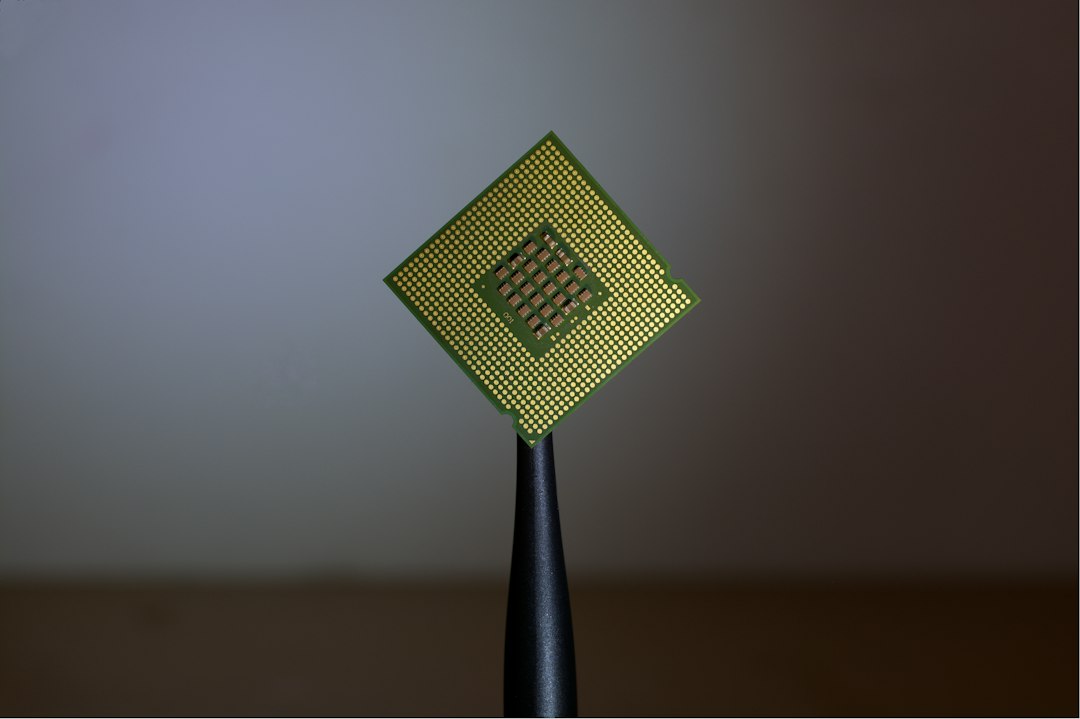
Instruction-Level Parallelism: How CPUs Execute Multiple Operations Per Clock

JIT Type Specialization: Optimizing Dynamic Languages Without Static Types

Symmetric Multiprocessing: Why Every Core Sees the Same Memory
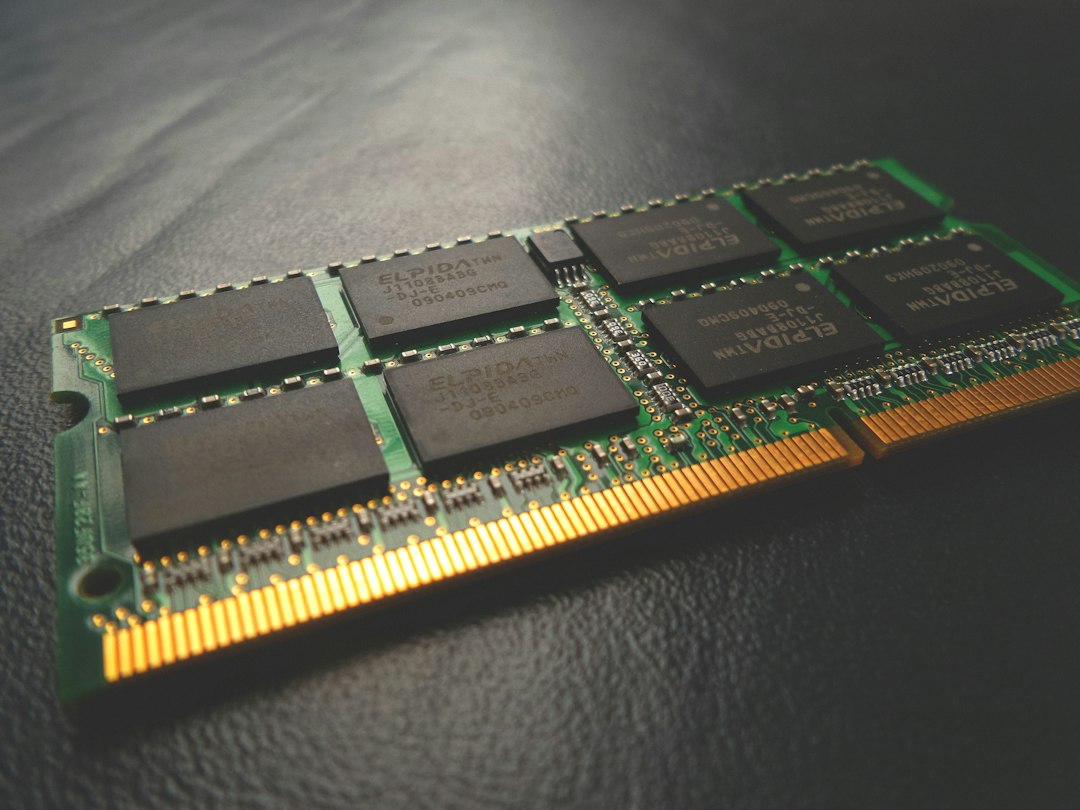
NaN Boxing: Encoding Types in Unused Float Bits

JIT Deoptimization: When Runtime Optimizations Have to Bail Out
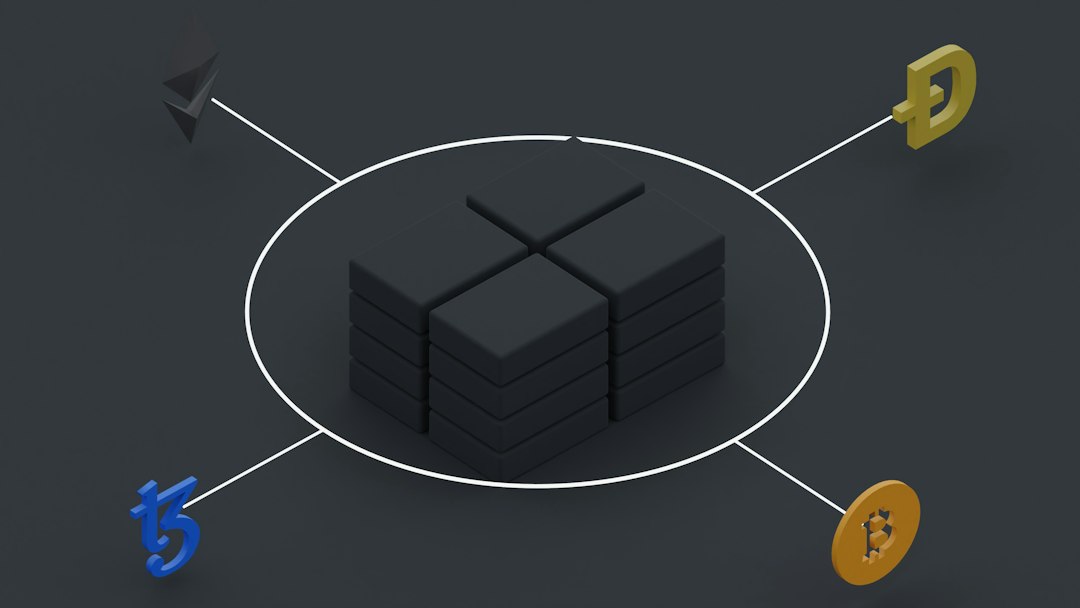
Deferred Execution: Query Building vs Query Running

Query Result Streaming: Why Fetching All Rows at Once Breaks
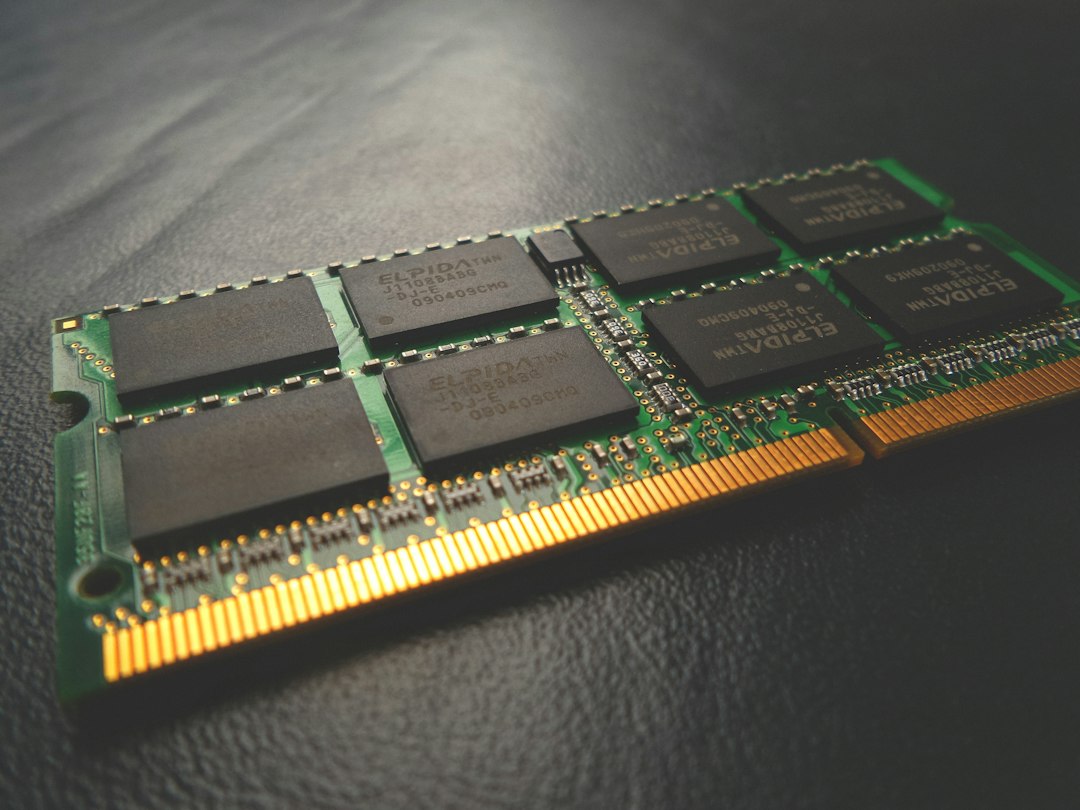
Thread Stack Size: Memory Footprint vs. Deep Call Chains
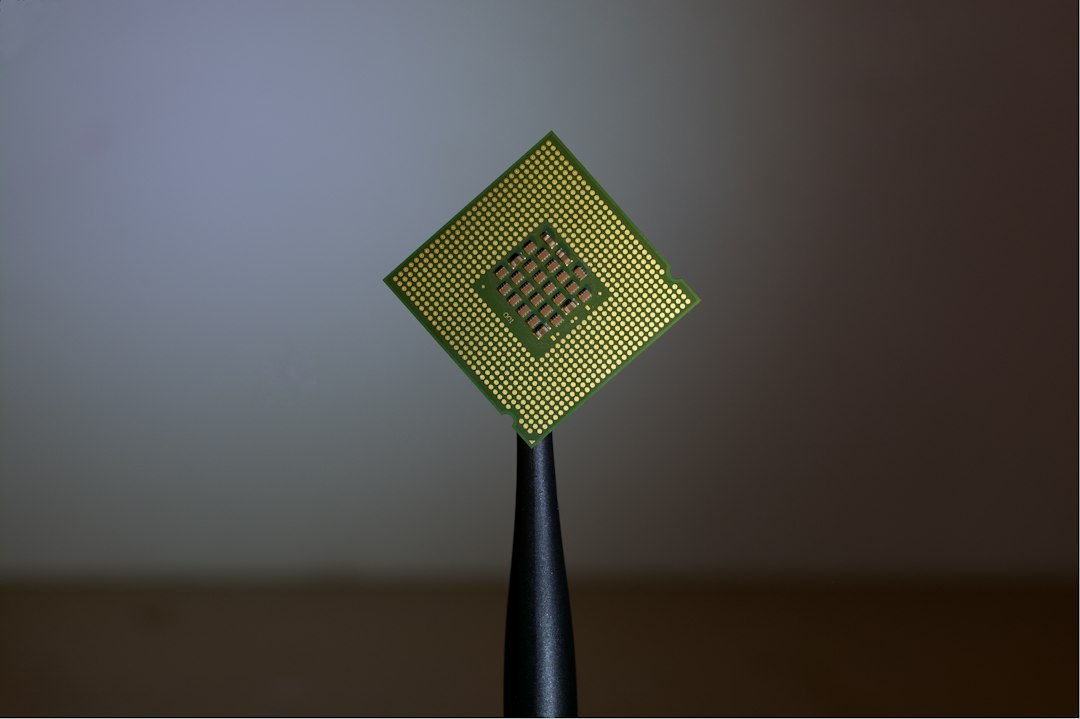
Instruction Cache Pressure in Modern Applications
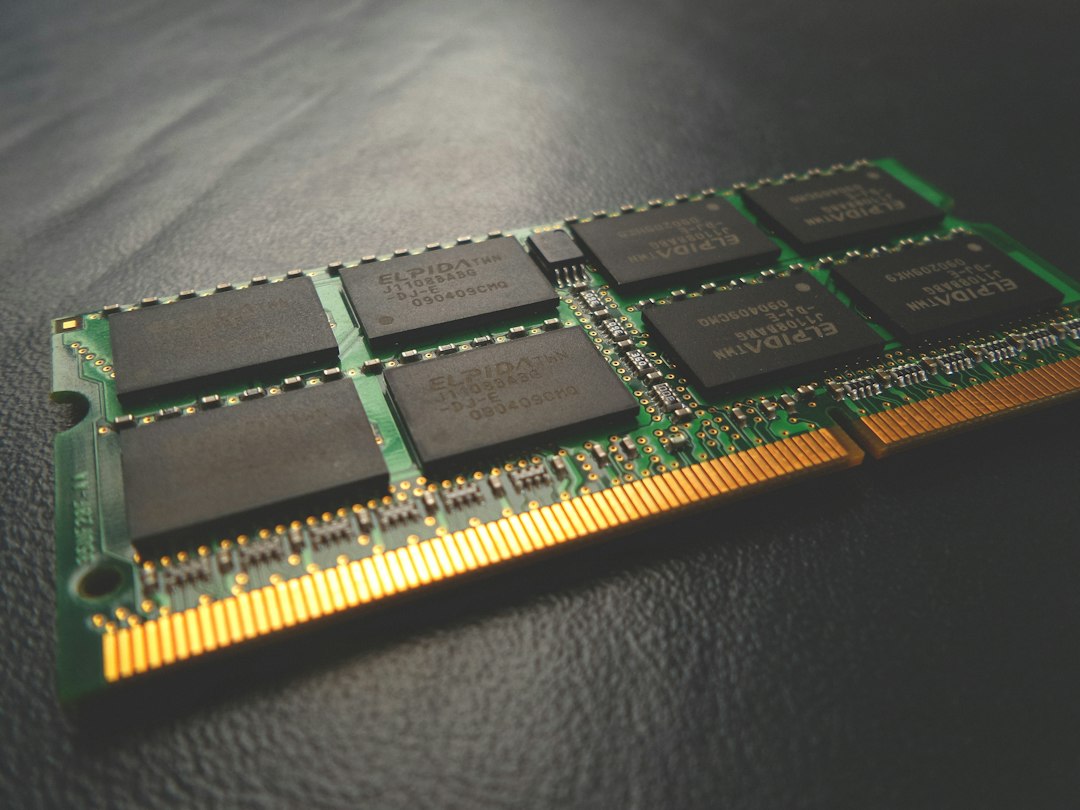
Page Deduplication: Memory Consolidation at the Hypervisor Layer
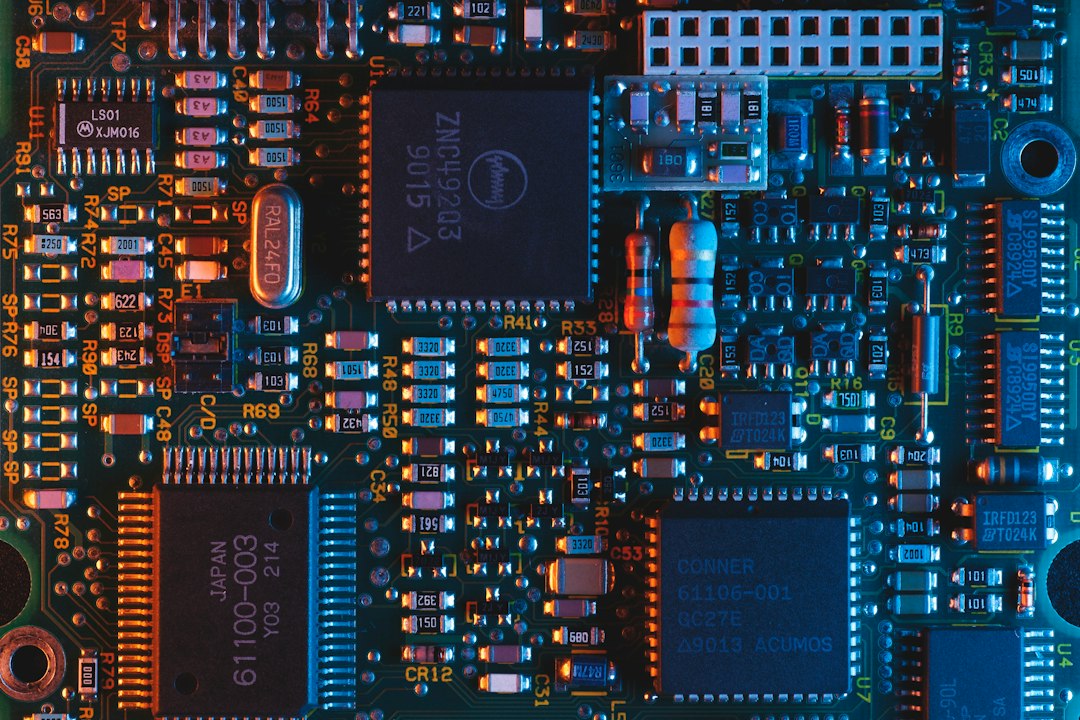
Memory-Mapped Database Engines: Trading Simplicity for Kernel Cooperation
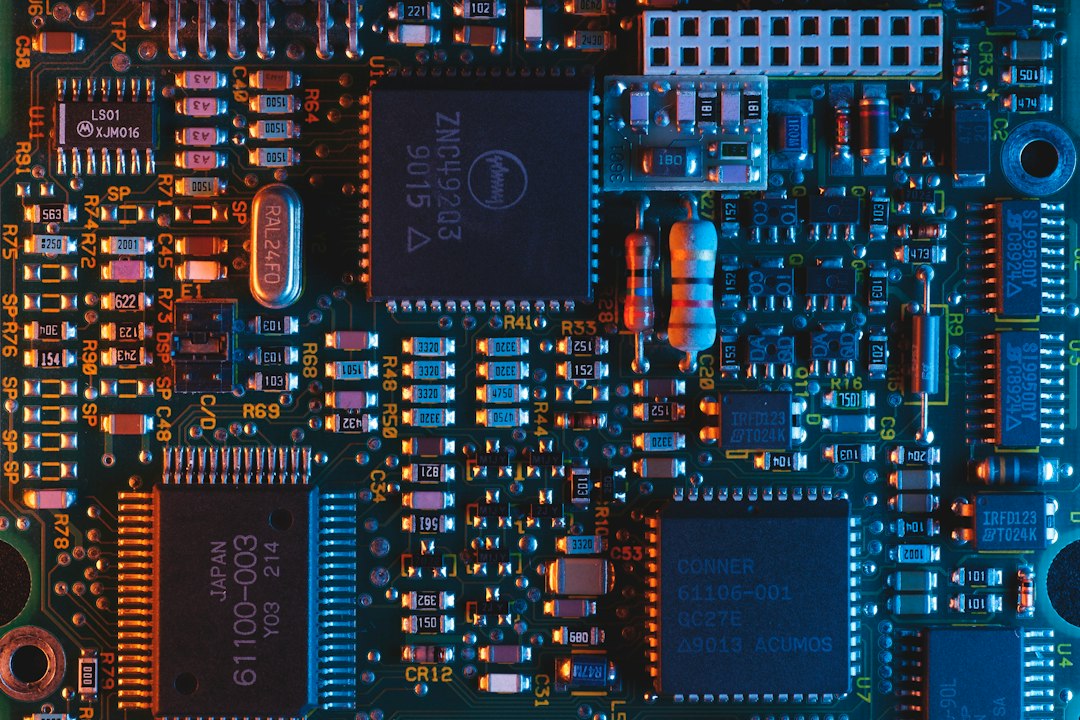
Memory-Mapped vs. Port-Mapped IO: Hardware Access Methods

Lock Convoys: When Critical Sections Create Traffic Jams

Distributed Tracing: Context Propagation Across Service Boundaries

Shadow Paging: Atomic Database Writes Without WAL

Column-Oriented Query Execution: Why Databases Process Data Vertically

Flash Attention: Memory-Efficient Transformer Inference
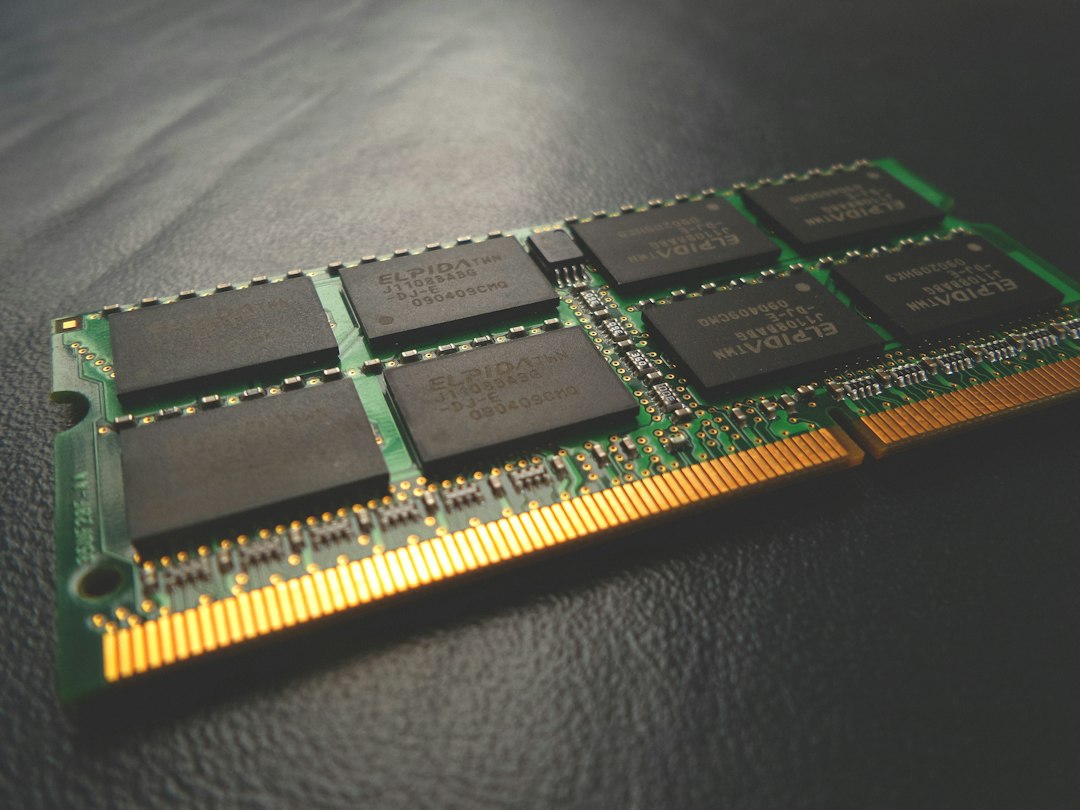
Page Table Walking: The Hidden Cost of Virtual Memory Translation
Hazard Pointers: Safe Memory Reclamation in Lock-Free Data Structures
SIMD Auto-Vectorization: Why Compilers Still Need Your Help
Process Forking: Copy-on-Write and the Unix Model

Connection Pre-warming: Proactive Resource Initialization
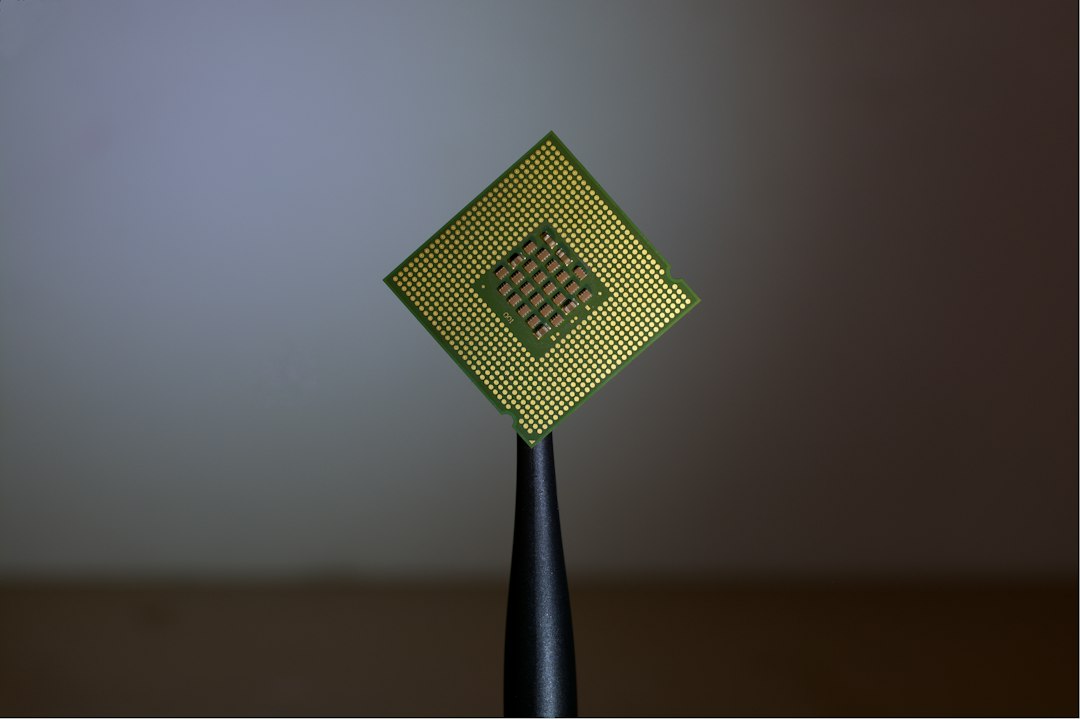
Cache Inclusivity: How CPU Cache Levels Share Data

Forwarding Proxy vs Reverse Proxy: Why the Distinction Matters

Database Vacuuming: Cleaning Up After MVCC
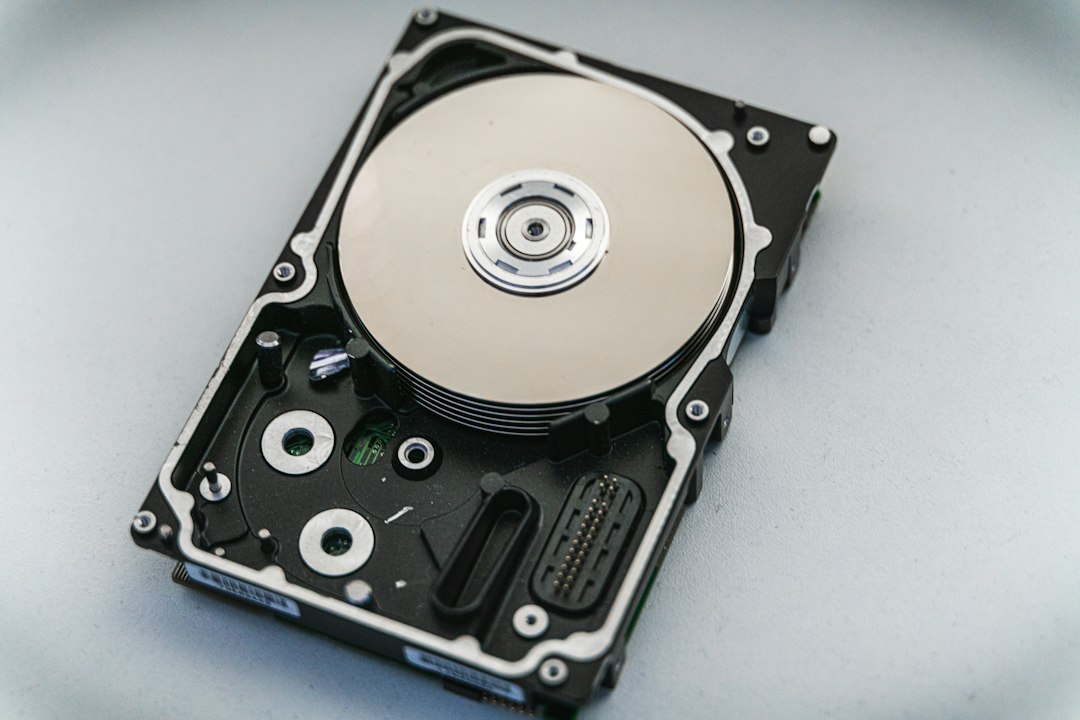
Write Coalescing: Batching Updates to Reduce Storage Overhead

Lock Striping: Reducing Contention Through Partitioned Synchronization

Bloom Filters Under Load: When Probabilistic Guarantees Break Down
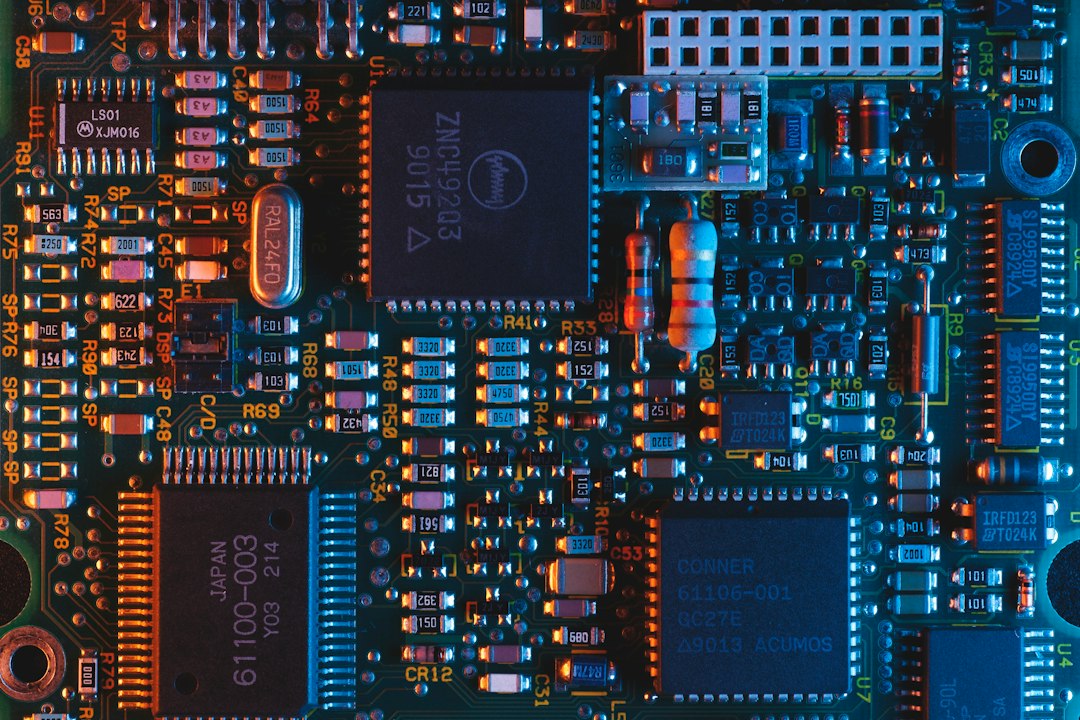
Object Reuse vs. Pooling: When Zero Allocations Matter

Copy-on-Write Container Image Layers
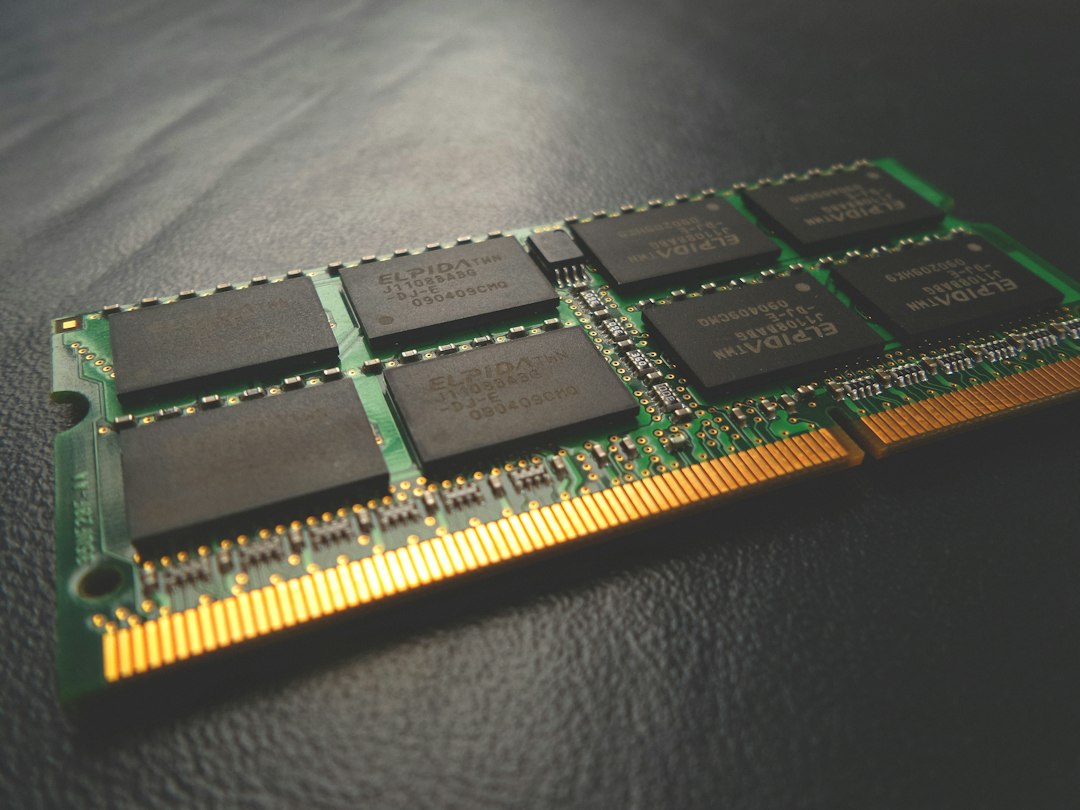
Tagged Pointers: Encoding Metadata in Spare Address Bits
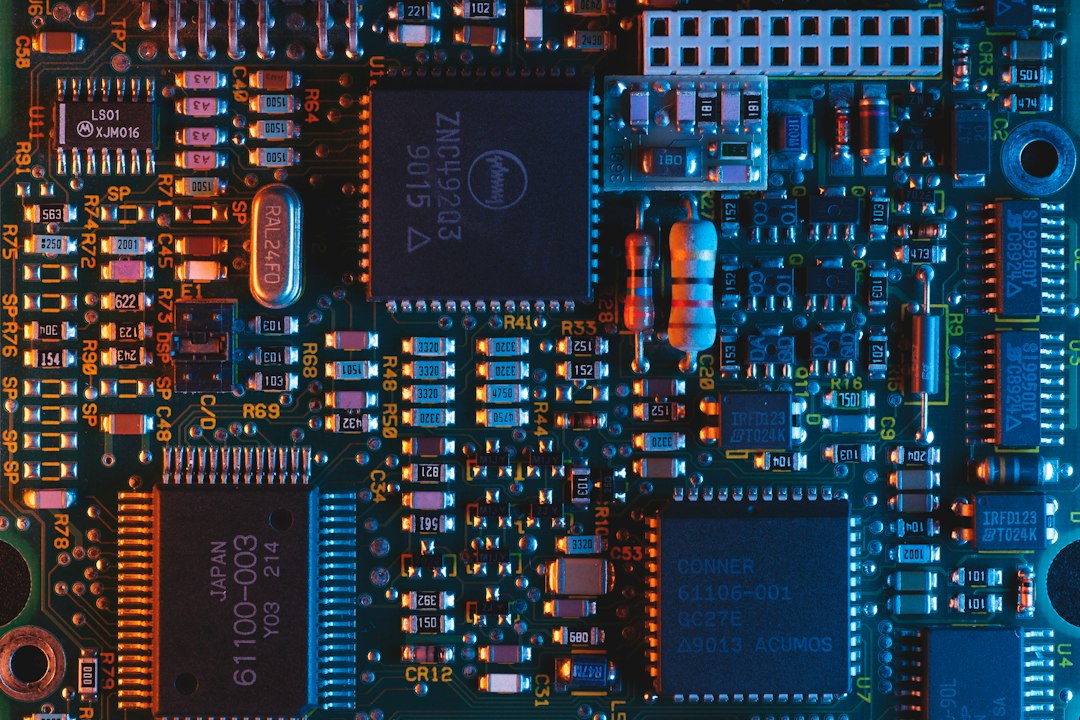
Copy-on-Write at the Hardware Level: Memory Deduplication in Modern CPUs

Memory-Mapped RPC: Shared Memory for Inter-Process Communication

Edge-Native Applications: Rethinking Cloud-First Architecture

Wire Protocol Efficiency: Why Database Client Libraries Matter

Adaptive Query Execution: Runtime Optimization in Modern Databases
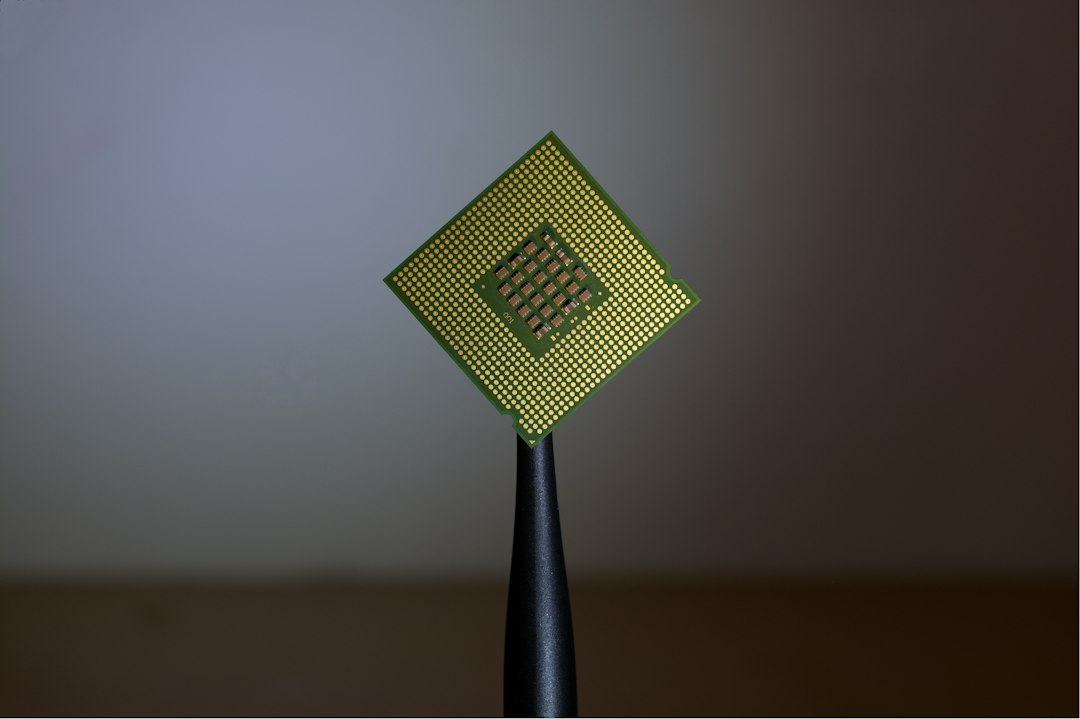
Hyper-Threading and SMT: Why Cores Share Execution Resources
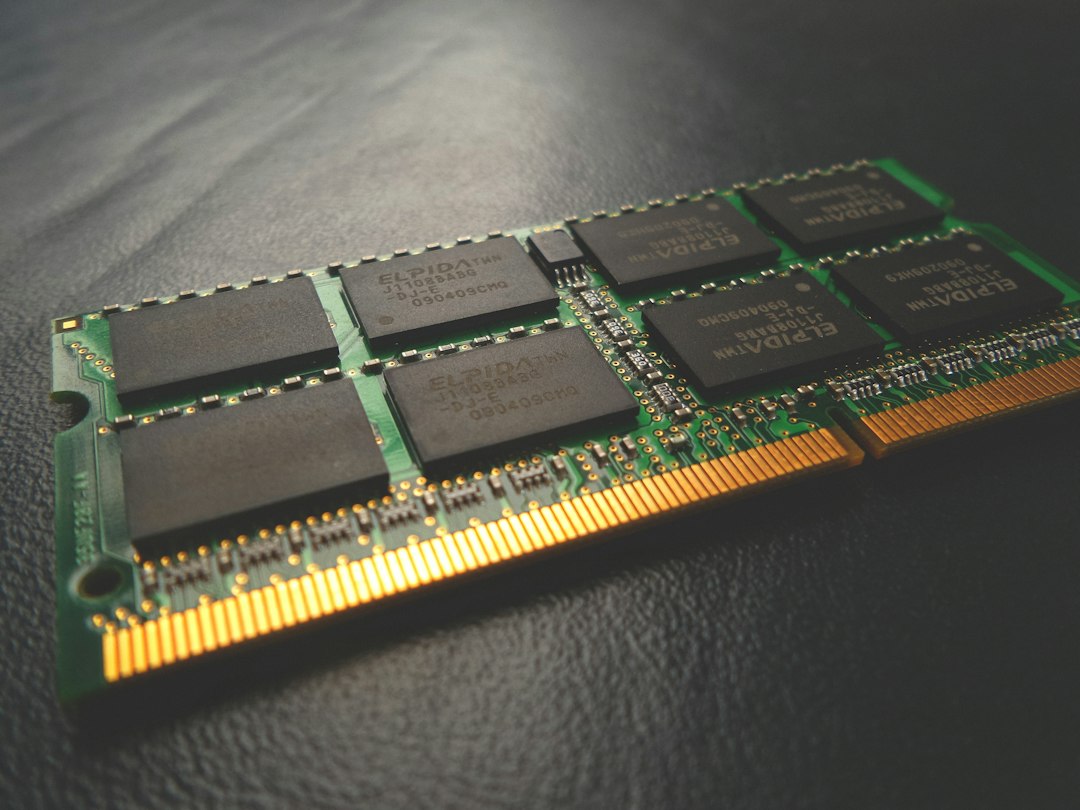
NUMA Balancing: Automatic Page Migration in Modern Linux
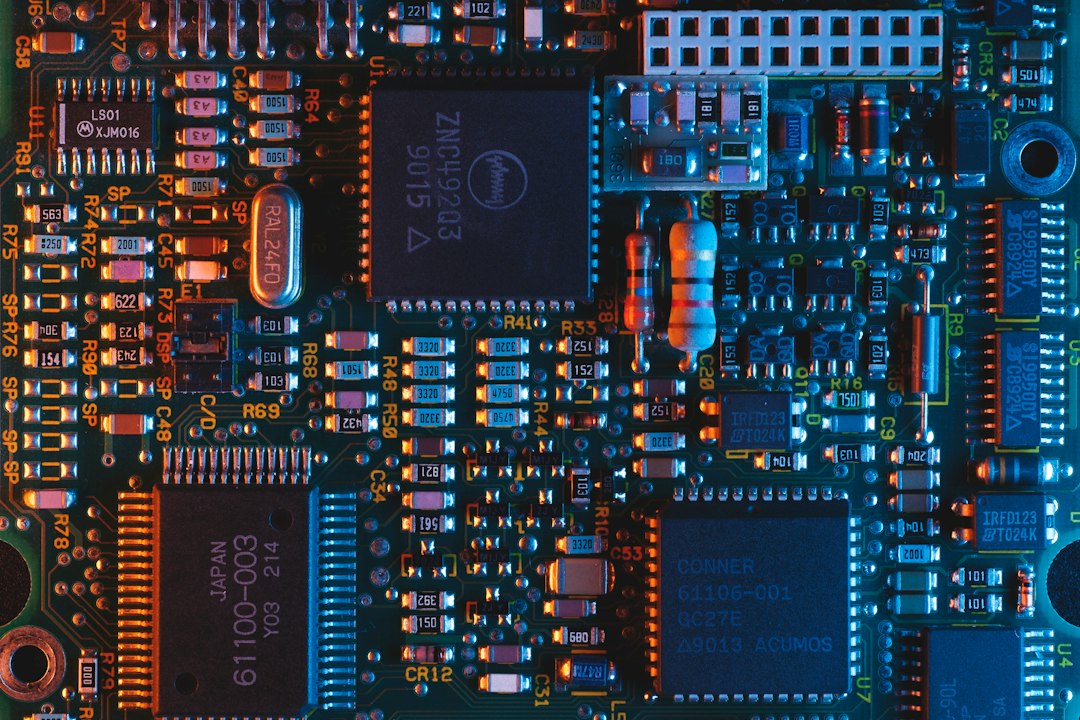
Memory Tagging Extensions: Hardware-Assisted Use-After-Free Detection

Copy-on-Write in Database Transaction Isolation

JIT Warmup and Tiered Optimization Tradeoffs

RDMA: Zero-Copy Remote Memory Access
Escape Analysis: How Compilers Keep Allocations Off the Heap

Snapshot Isolation: How Databases Freeze Time for Transactions

Multitenancy in Database Systems: Design Patterns and Tradeoffs

Tombstone TTL and Distributed Delete Propagation
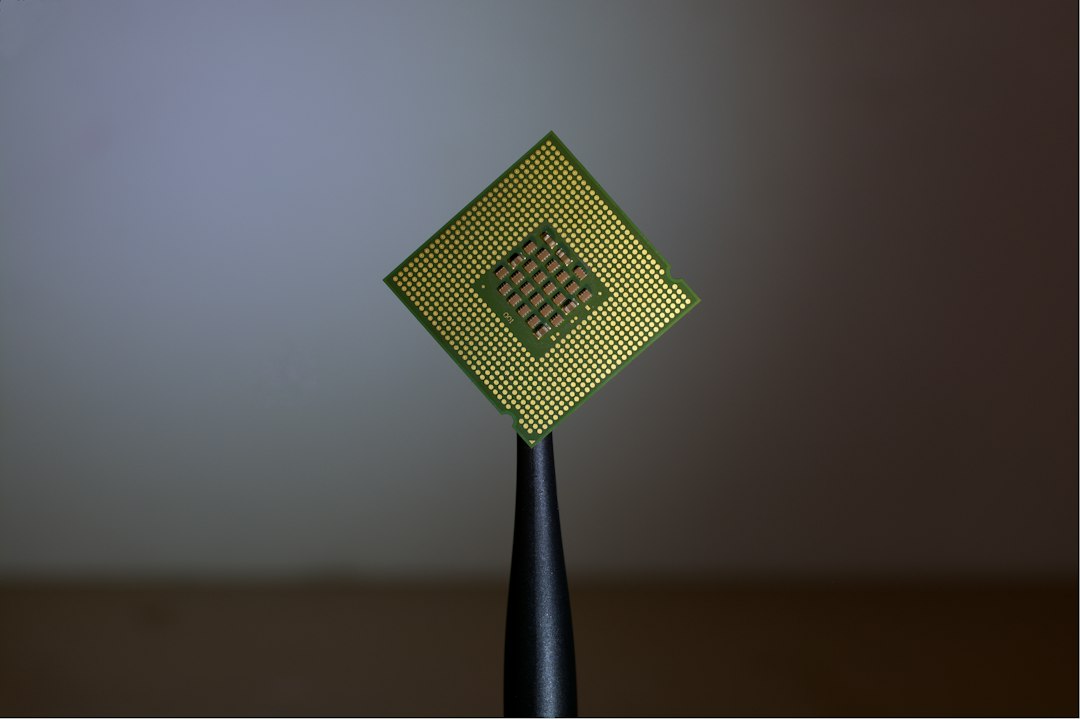
Write Combining Buffers: Merging Sequential CPU Writes

Memory Bandwidth Bottlenecks in Modern CPUs

Connection Coalescing: Multiplexing Origins Over Shared TLS Sessions
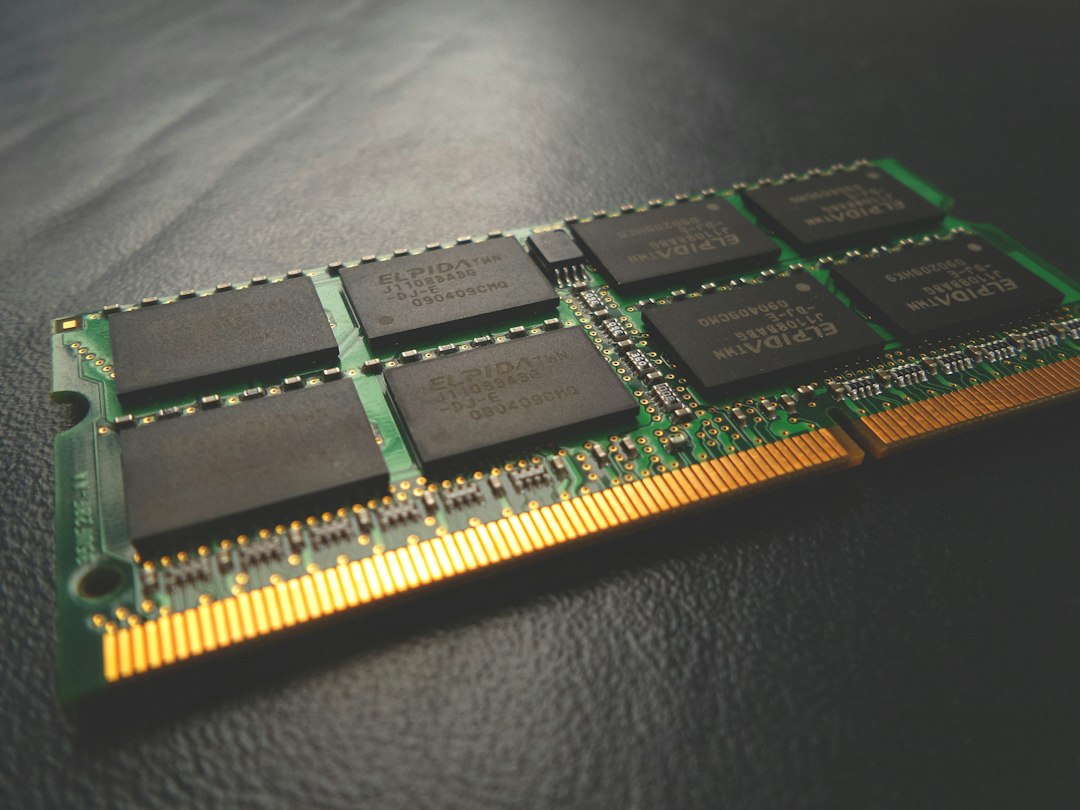
Memory Interleaving: Spreading Data Across Memory Channels
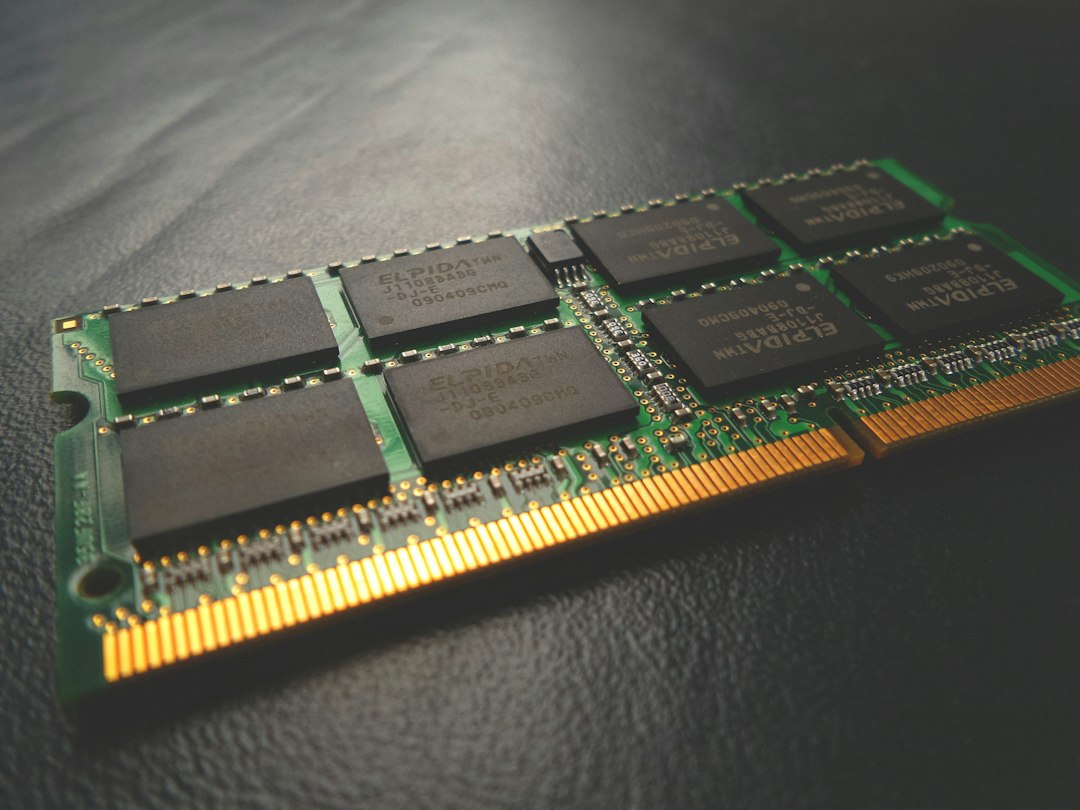
Memory-Mapped Files vs Read/Write System Calls

Connection Leasing and Timeout Management in Database Pools

Coroutine Coloring: Why Async Functions Infect Your Codebase
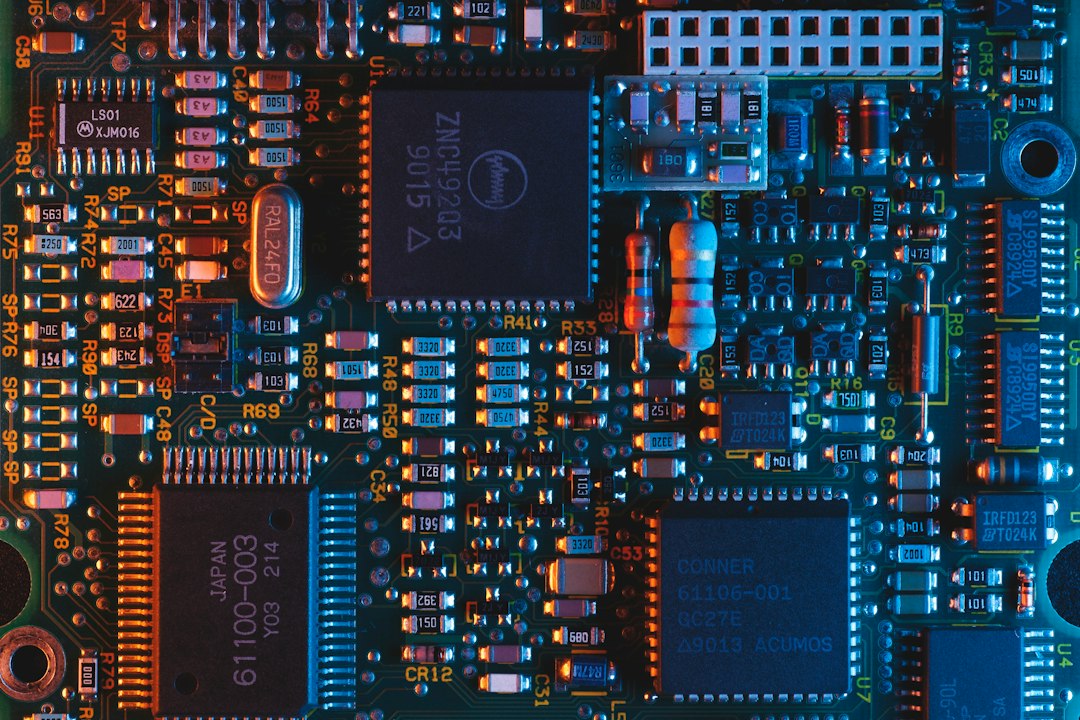
Memory-Mapped IO vs Port-Mapped IO: Hardware Access Methods
Bufferbloat: How Network Queues Kill Latency
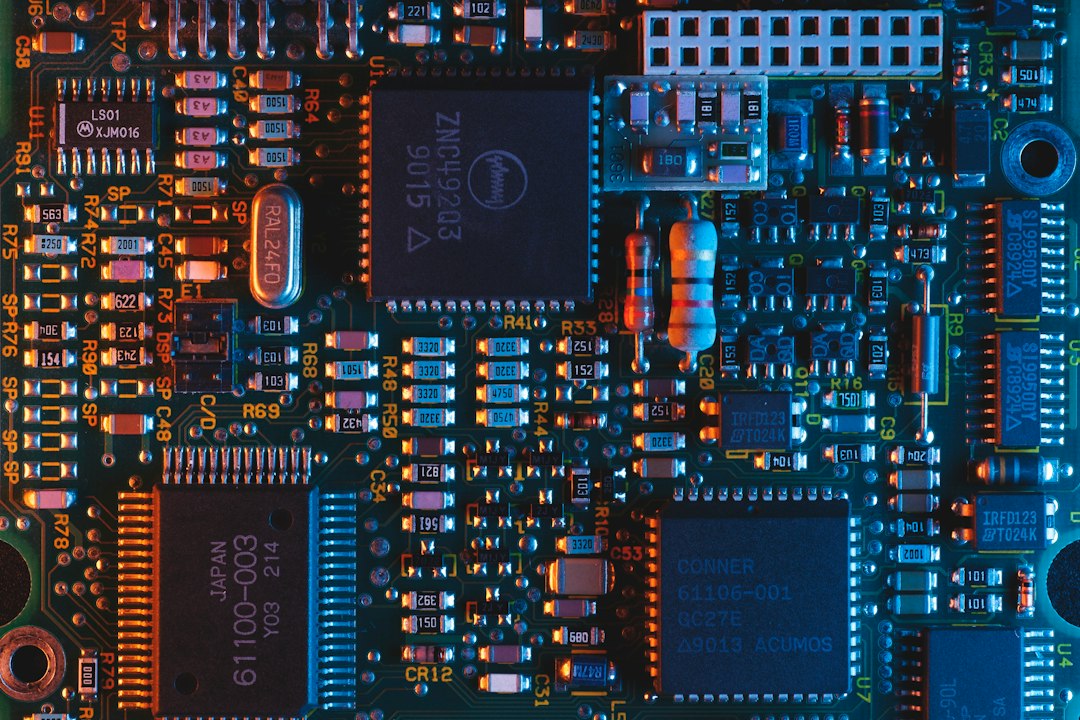
Memory-Mapped IO: Direct Hardware Access Without System Calls
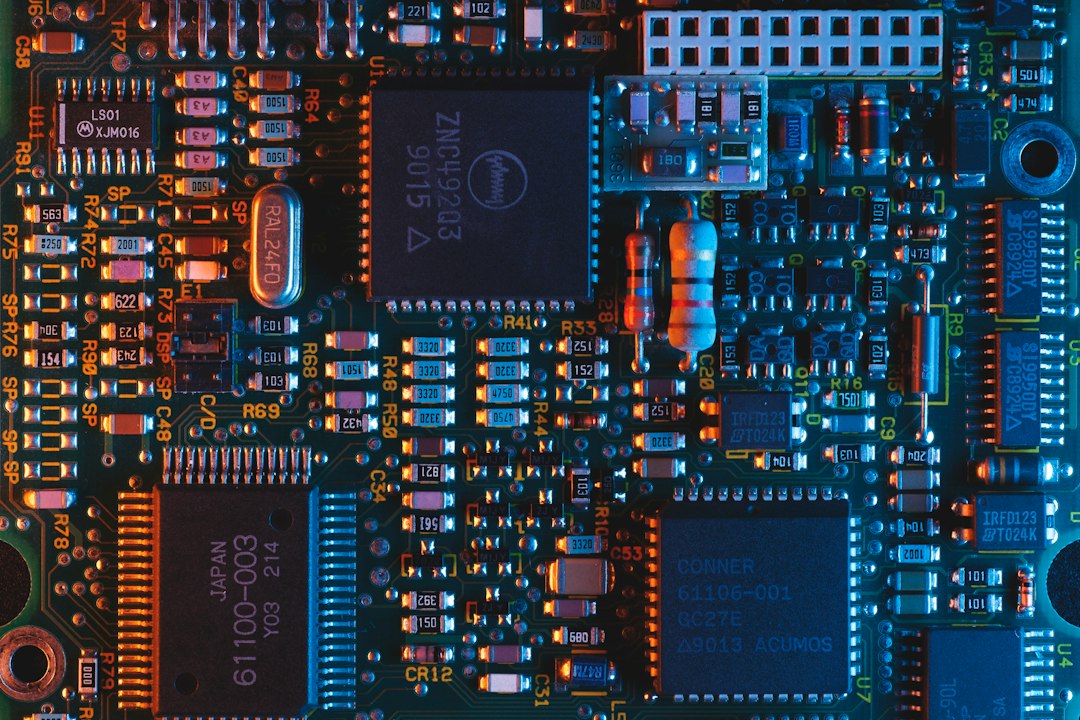
Write Barriers: Garbage Collectors and Memory Consistency
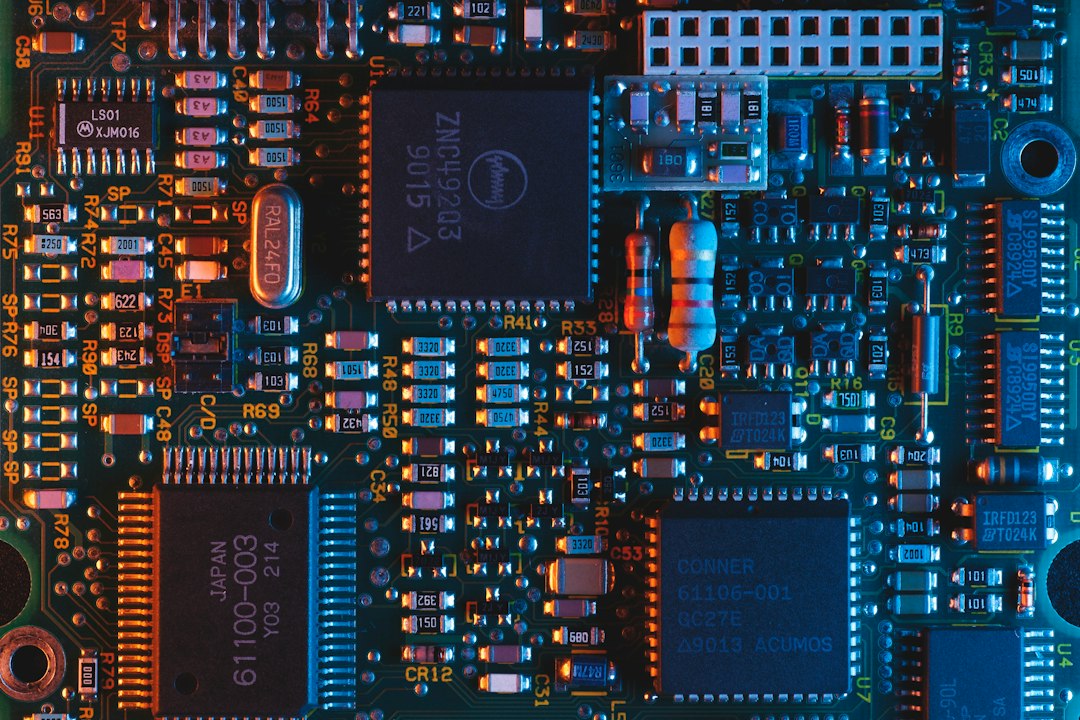
Page Replacement Algorithms: Managing Memory Under Pressure
Sloppy Quorums: Trading Strict Consistency for Availability
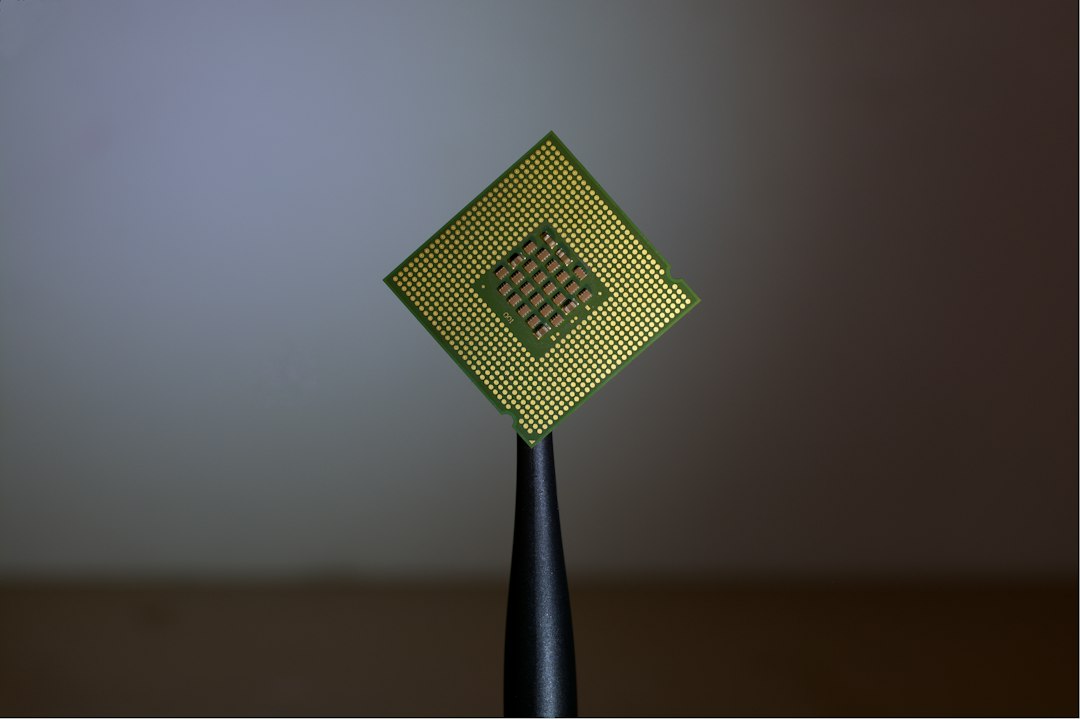
SIMD Width Evolution: Why 512-bit Vectors Haven't Replaced 256-bit

Batching and Coalescing: Reducing Per-Operation Overhead
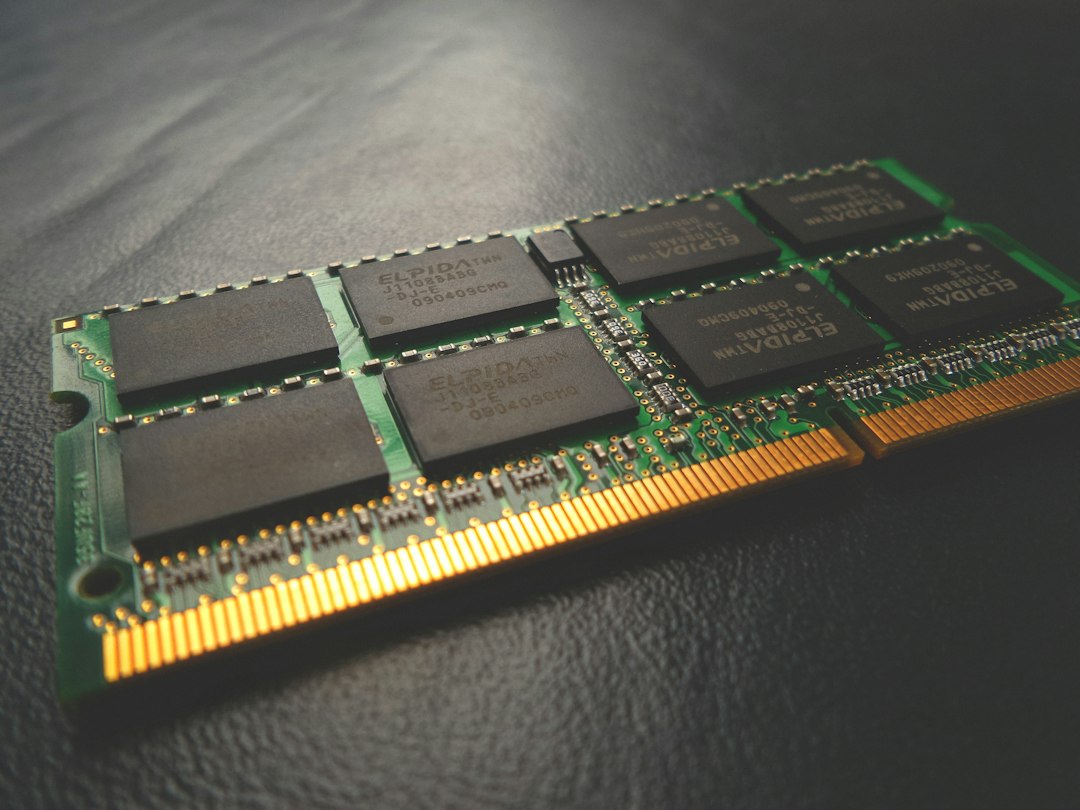
Thread Local Storage: Per-Thread State Without Locks

Database Prepared Statement Caching: Performance vs Memory Tradeoffs

Tail-Call Optimization: Recursion Without Stack Overflow
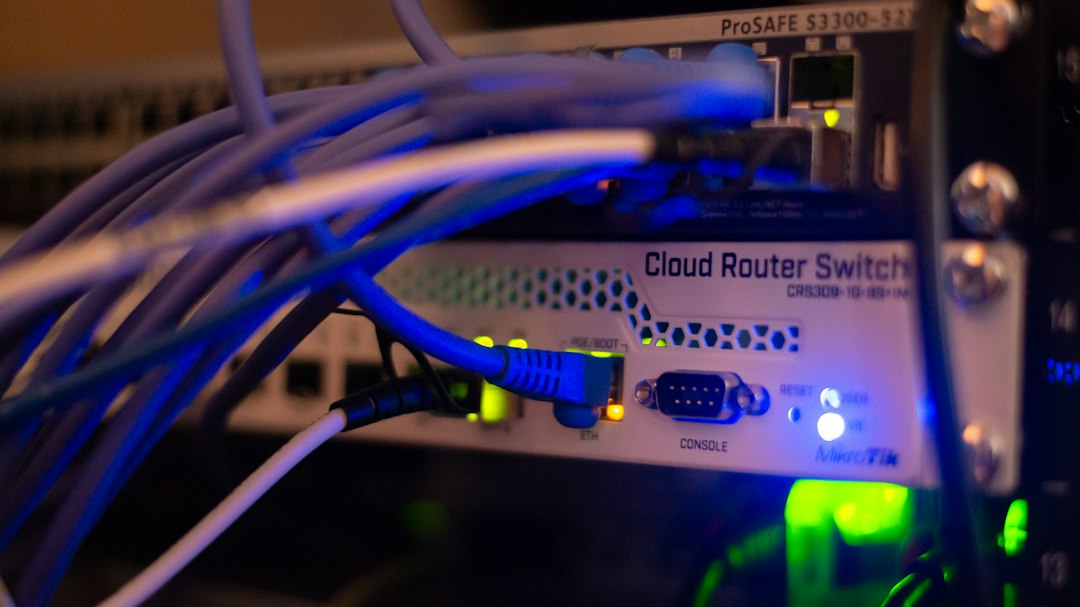
Why Multi-Tenant SaaS Systems Keep Reinventing the "Noisy Neighbor" Problem
Transparent Huge Pages: Automatic Memory Optimization and Its Hidden Costs

WAL Archiving: Database Point-in-Time Recovery
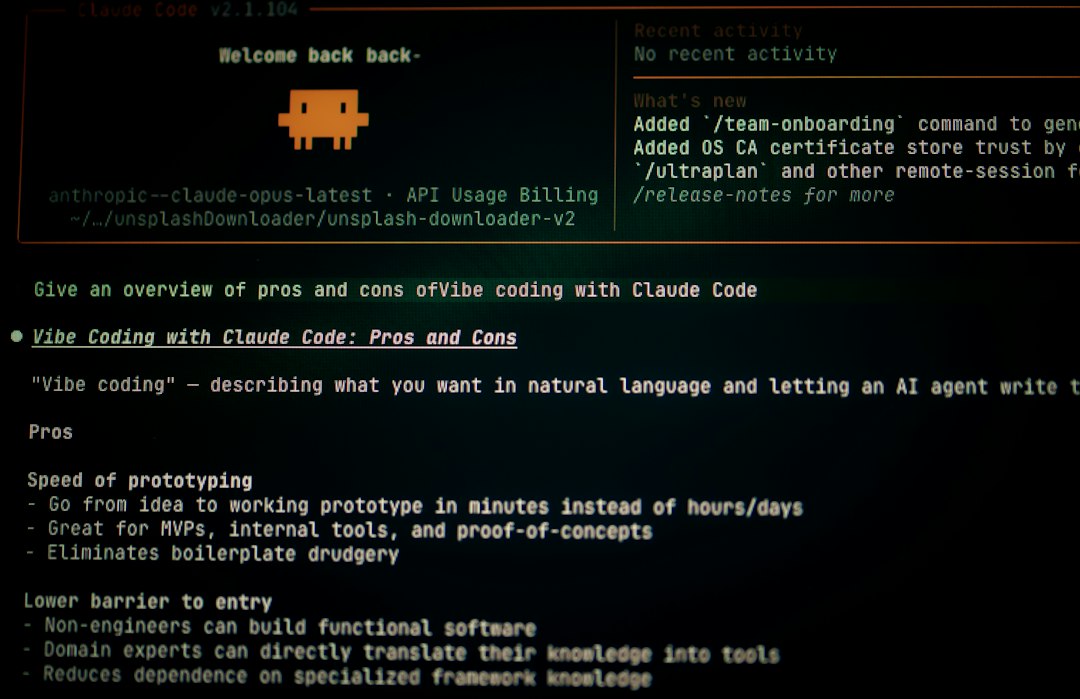
Memory Ballooning: Dynamic Memory Management in Virtual Machines
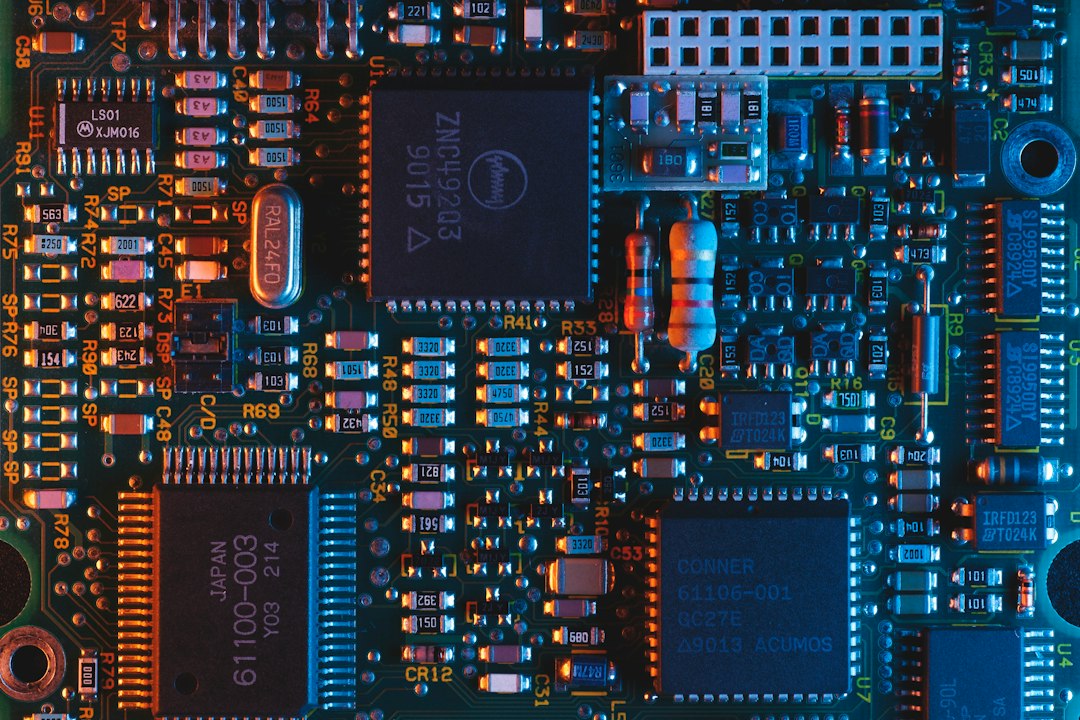
Slab Allocation: Fixed-Size Memory Pools for High-Performance Systems
Speculative Decoding: Trading Compute for Latency in LLM Inference
Prefork vs Worker MPM: Apache's Process Model Trade-offs

Read-Modify-Write Cycles and Lost Updates

Why Schema Changes Are the Scariest Deploys in Your Stack
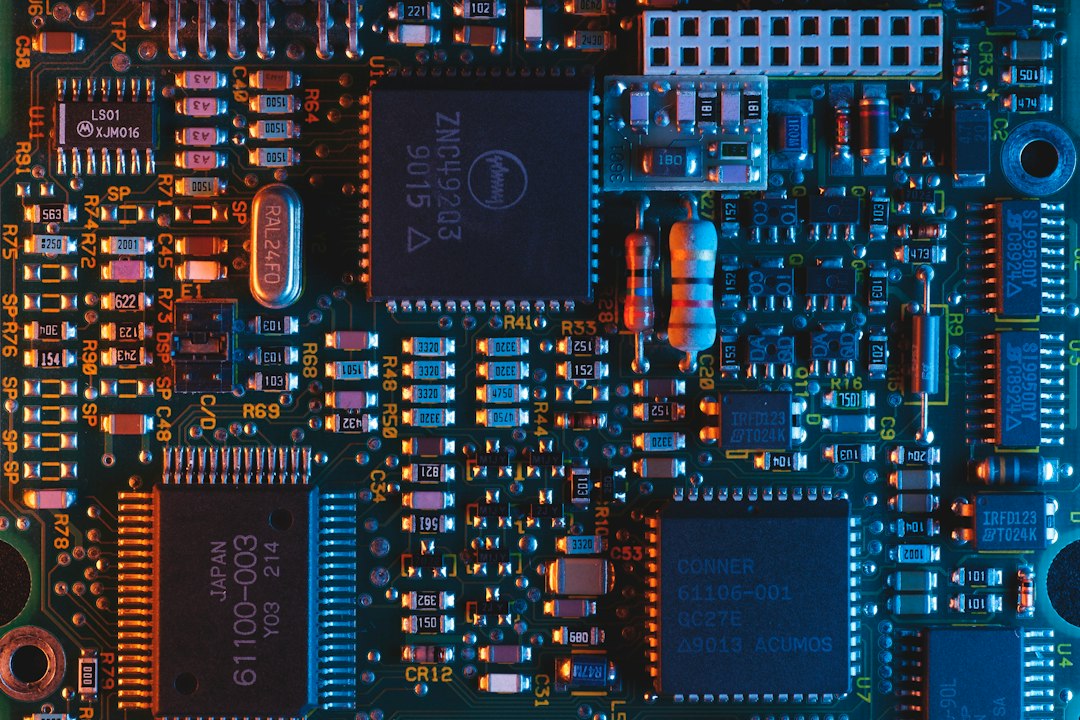
Memory Bandwidth Walls: Why Cache Hierarchy Depth Keeps Growing

Model Quantization: How AI Models Get Smaller Without Getting Dumber

CPU Power States: C-States and P-States Explained
Copy-on-Write B-Trees: Persistent Data Structures in Databases

Certificate Transparency: How the Web Learned to Watch Its Own Locks

Retrieval-Augmented Generation: Why LLMs Need a Library Card
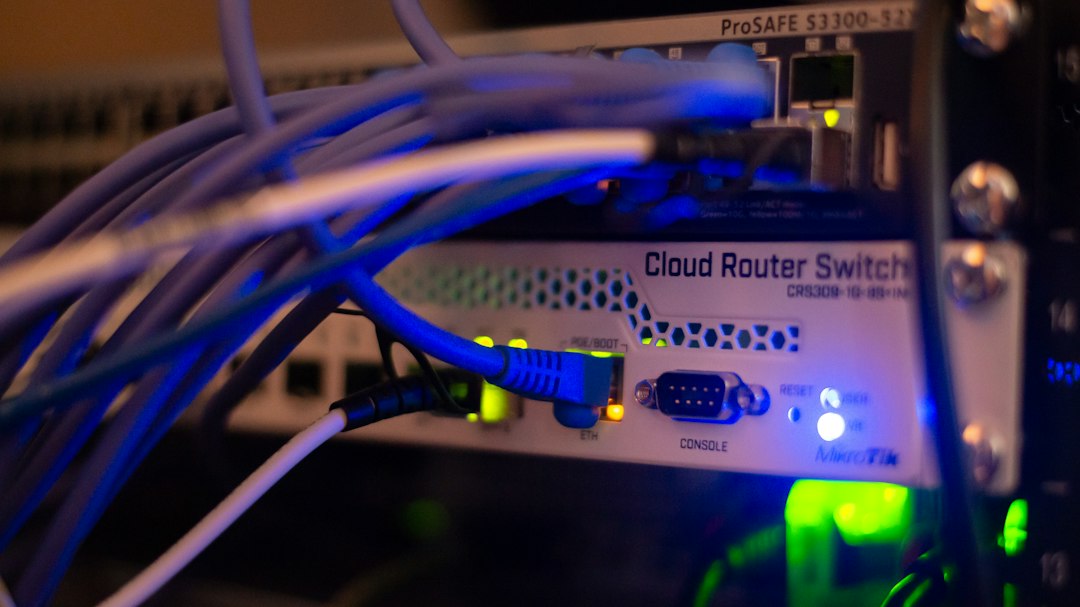
Fencing Tokens: The Missing Piece in Distributed Locking

Write Amplification in SSDs Is a Distributed Systems Problem Too

Vacuum Operations: Why Databases Need Garbage Collection

Prepared Statements: Query Parsing, Plan Caching, and SQL Injection Defense
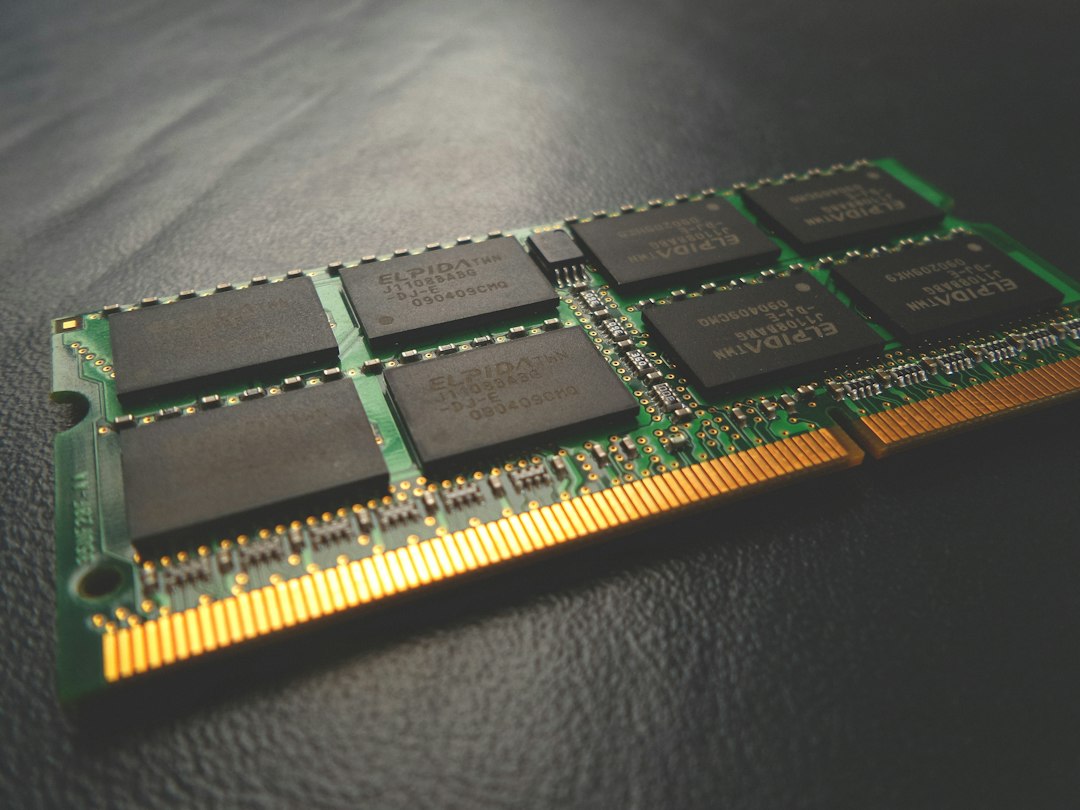
Read-Copy-Update: Lock-Free Data Structure Synchronization

JIT Tiering: Why Modern Runtimes Use Multiple Optimization Levels

JIT Compilation: Runtime Translation for Performance

Zstd Training Dictionaries: Custom Compression for Repetitive Data
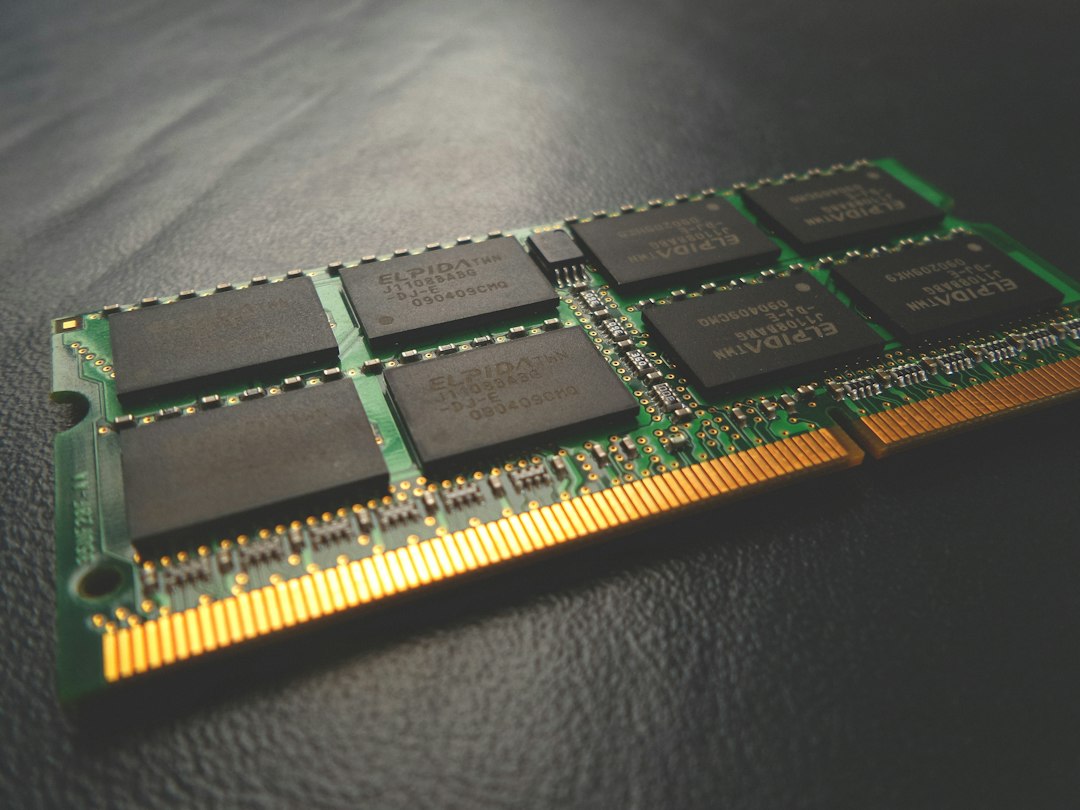
NUMA-Aware Memory Allocation: Why malloc() Isn't Enough Anymore
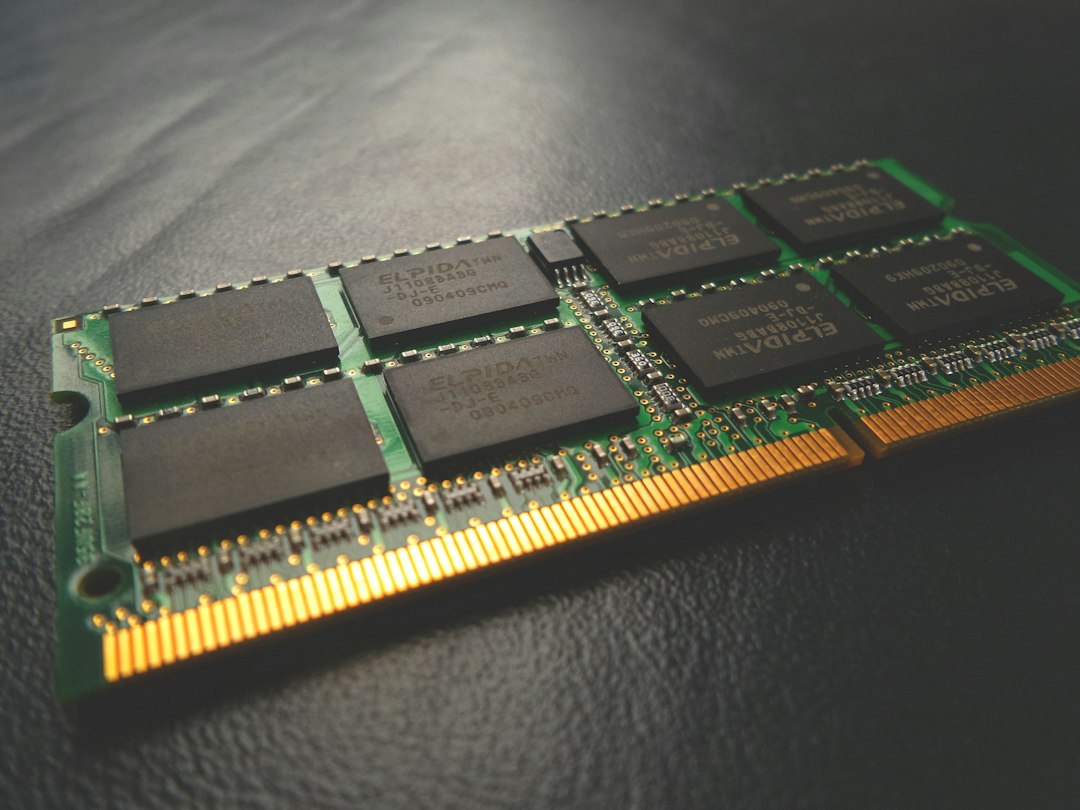
Compacting JVM Heap Without Full GC Pauses
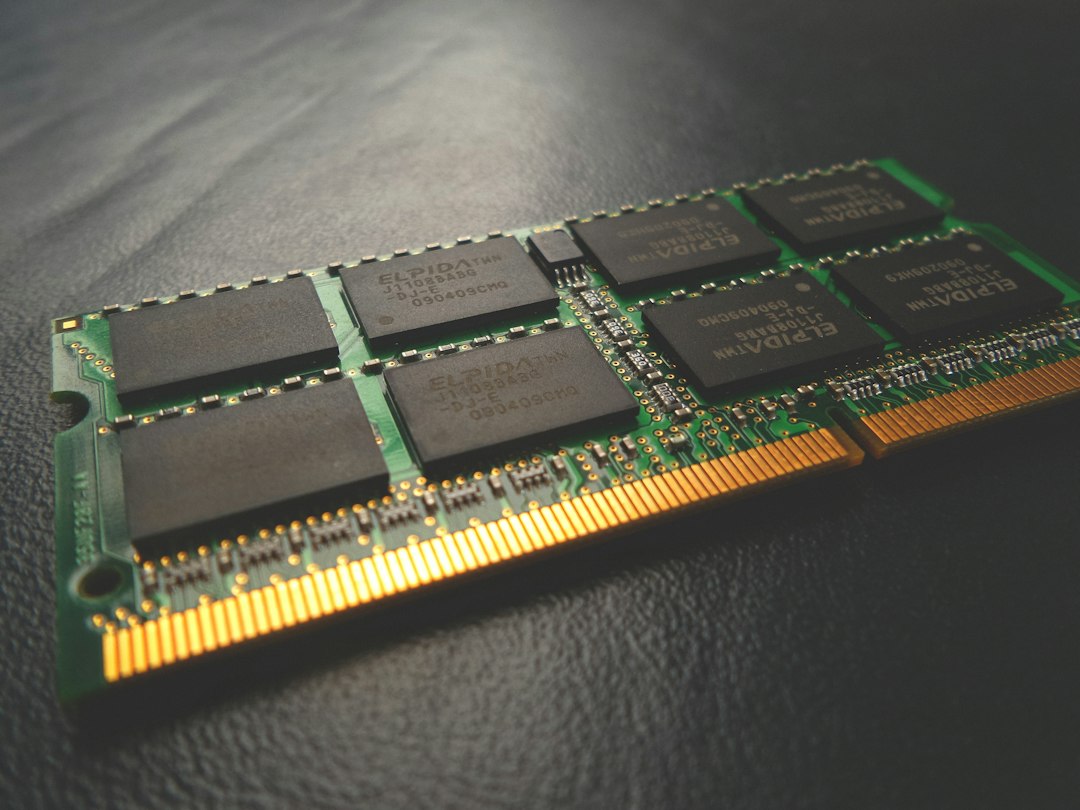
Kernel Samepage Merging: Deduplicating Memory at Runtime
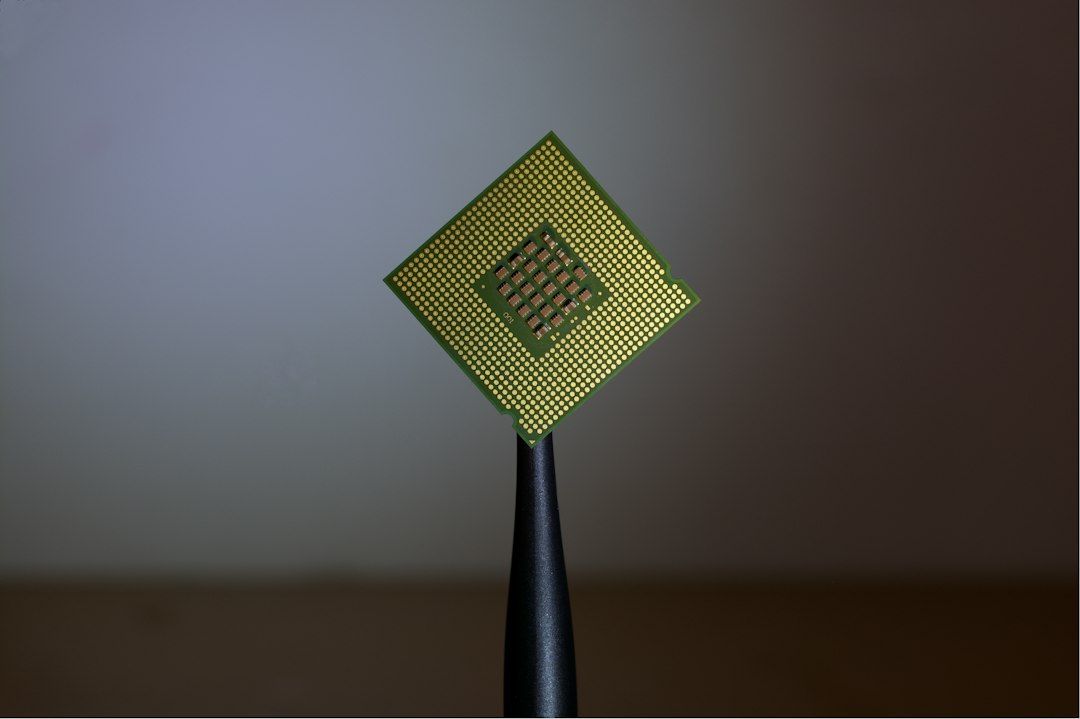
Huge Pages: Memory Translation Optimization
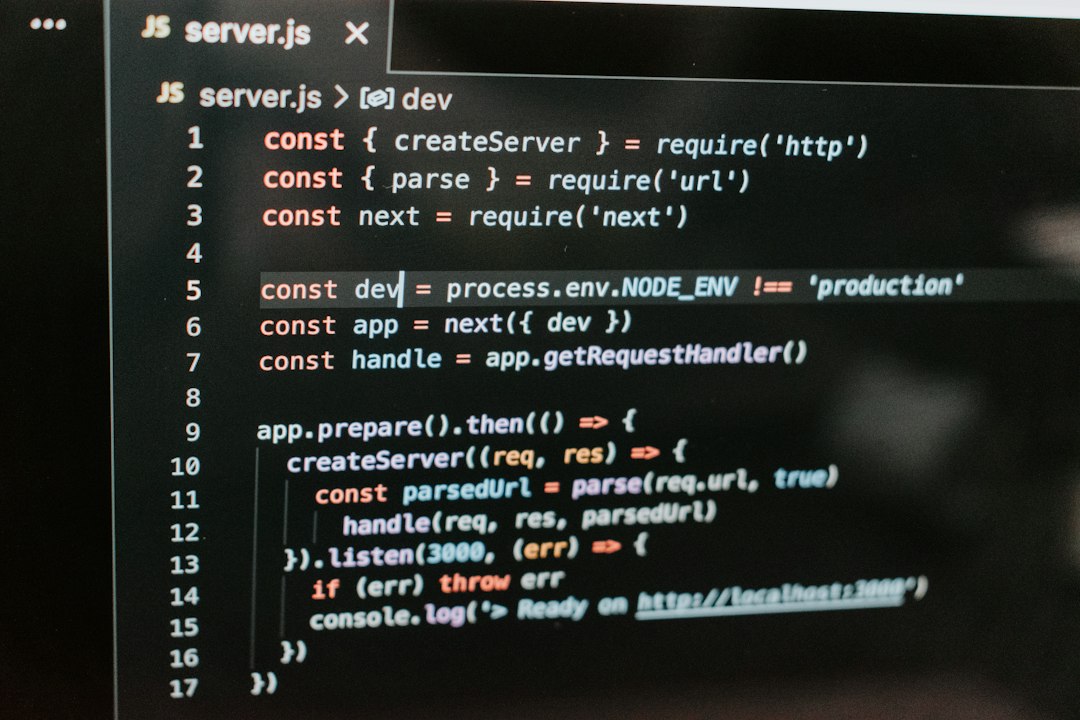
Background Jobs and Queue Backlog: When Async Work Falls Behind
Log-Structured Merge Trees: The Tombstone Problem
Compaction Windows: Managing I/O Interference in Production Databases

Ring Buffers: Fixed-Size Circular Queues for Low-Latency Systems

Connection Draining: Graceful Shutdown in Load Balancers
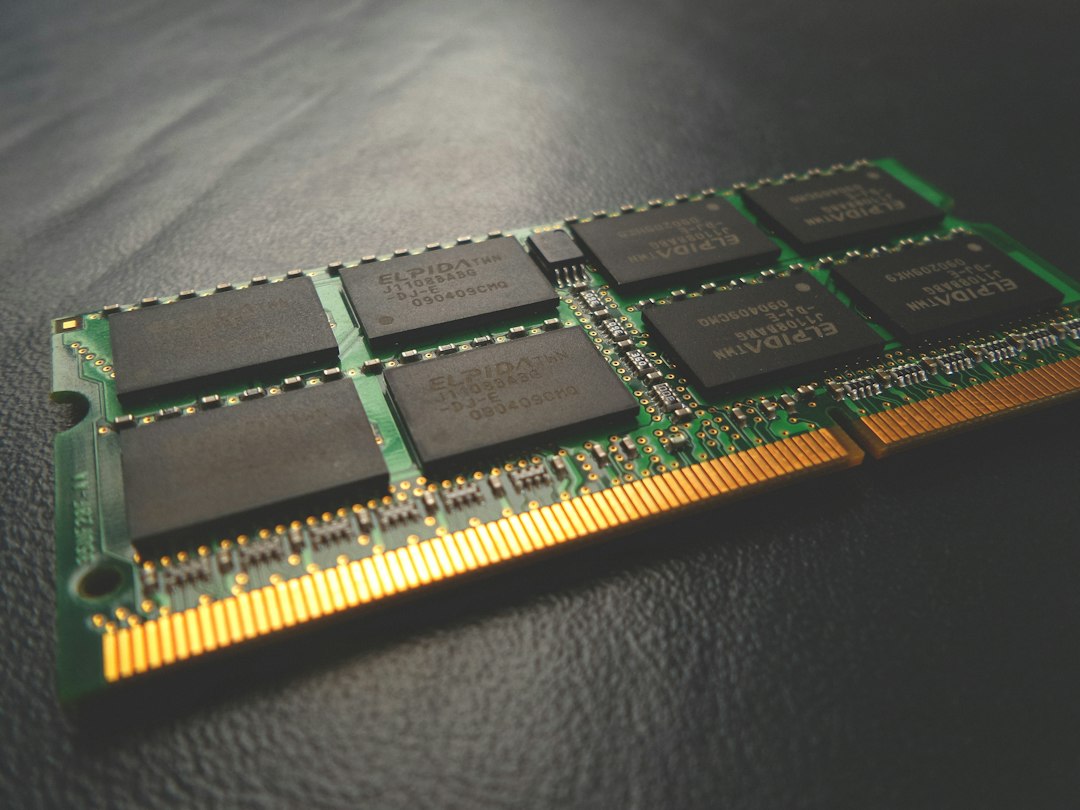
Page Faults and Demand Paging: How Operating Systems Load Memory on Demand

HTTP Connection Coalescing: Reusing TCP Streams Across Domains

Negative Acknowledgments: Flow Control Through Selective Retransmission
Page Cache Eviction: LRU vs Clock Algorithms

WAL Recycling: How Databases Reuse Write-Ahead Log Files
Copy-on-Write in Memory Management: How Linux and BSD Optimize Fork Performance
Adaptive Replacement Cache: Balancing Recency and Frequency
Memory Arenas: Bulk Allocation for Performance-Critical Code

Packet Pacing: Controlling Transmit Rate for Network Stability
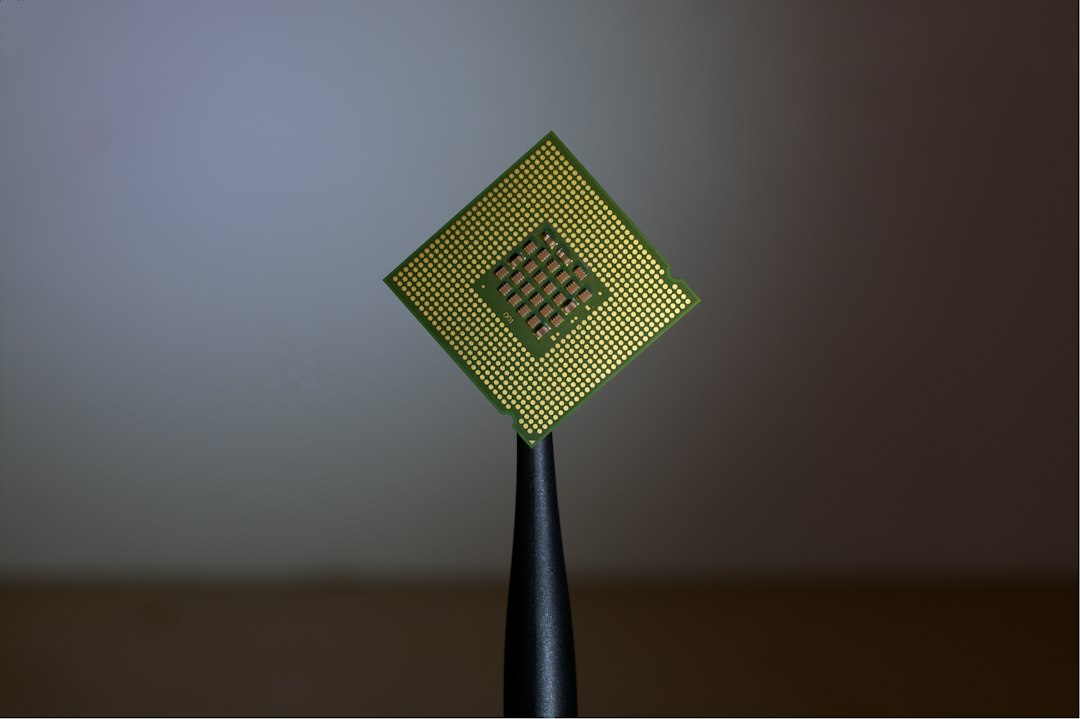
CPU Cache Prefetching: How Modern Processors Predict Your Data Access
Object Pool Pattern: Reusing Expensive Resources

Database Sharding: Horizontal Partitioning at Scale
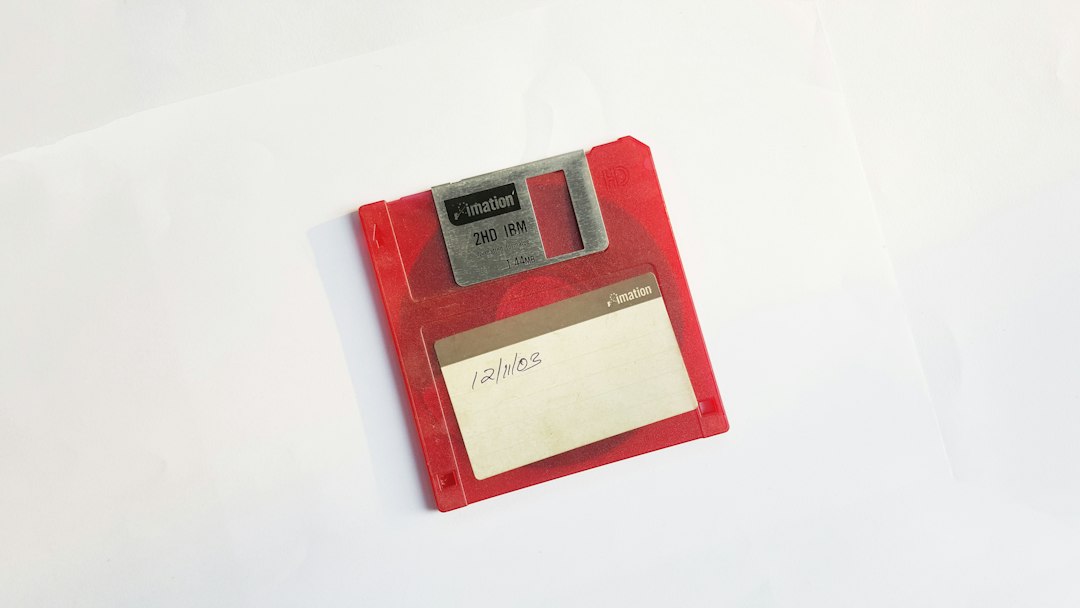
Memory-Mapped Files: When the Filesystem Becomes RAM
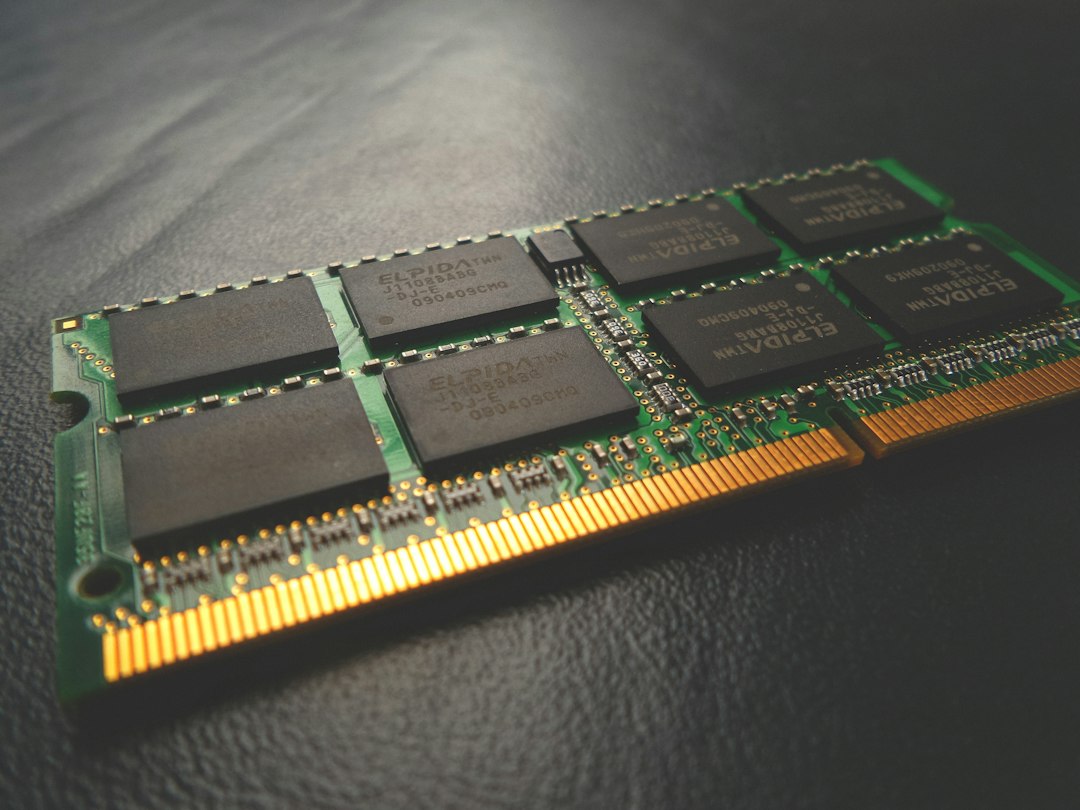
Prefetching Strategies: Predictive Data Loading for Performance
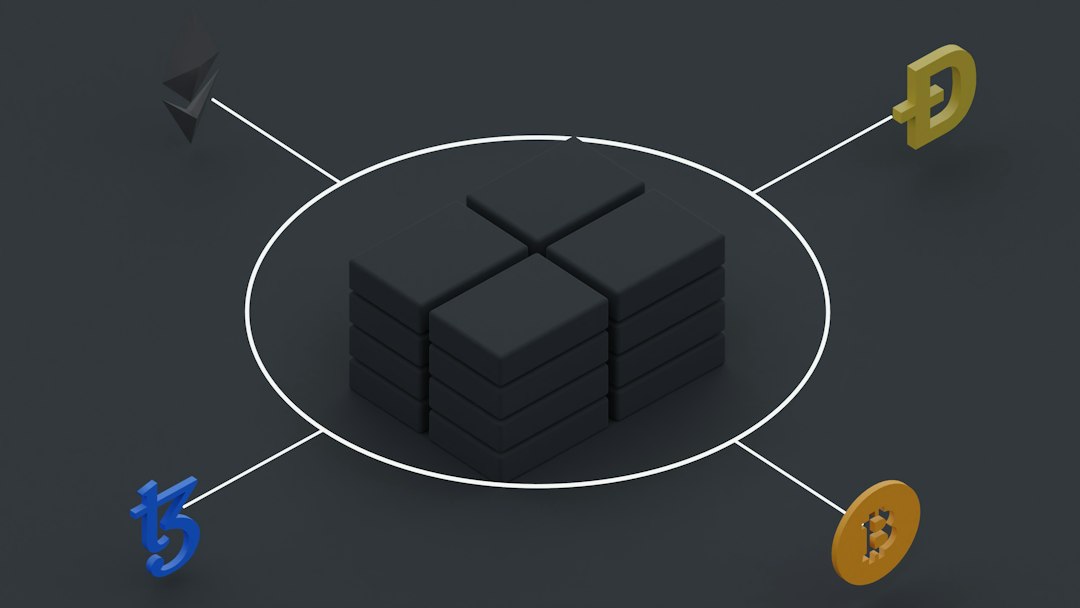
Write Skew: The Subtle Concurrency Anomaly in Distributed Databases

Why Database Query Caching Is Harder Than It Looks

Checkpoint-Restore: Fast Startup for Stateful Applications
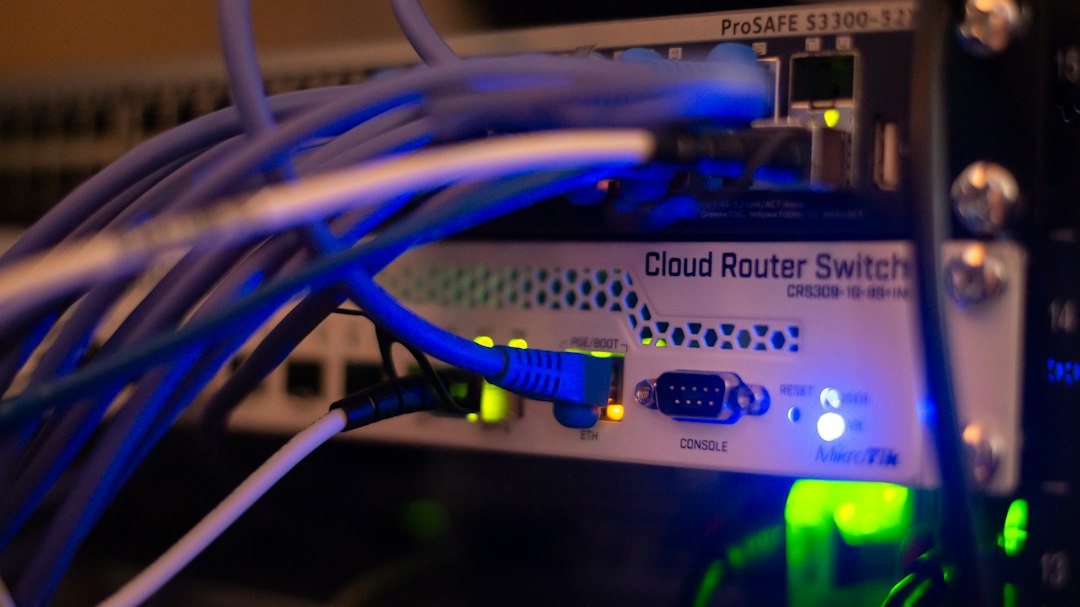
Zone-Based DNS: How Authoritative Servers Manage Domain Hierarchies

Read Replicas and Replication Lag: The Consistency Trade-off

NUMA: Why Memory Location Matters on Modern Servers

Token Bucket Rate Limiting: The Math Behind API Throttling
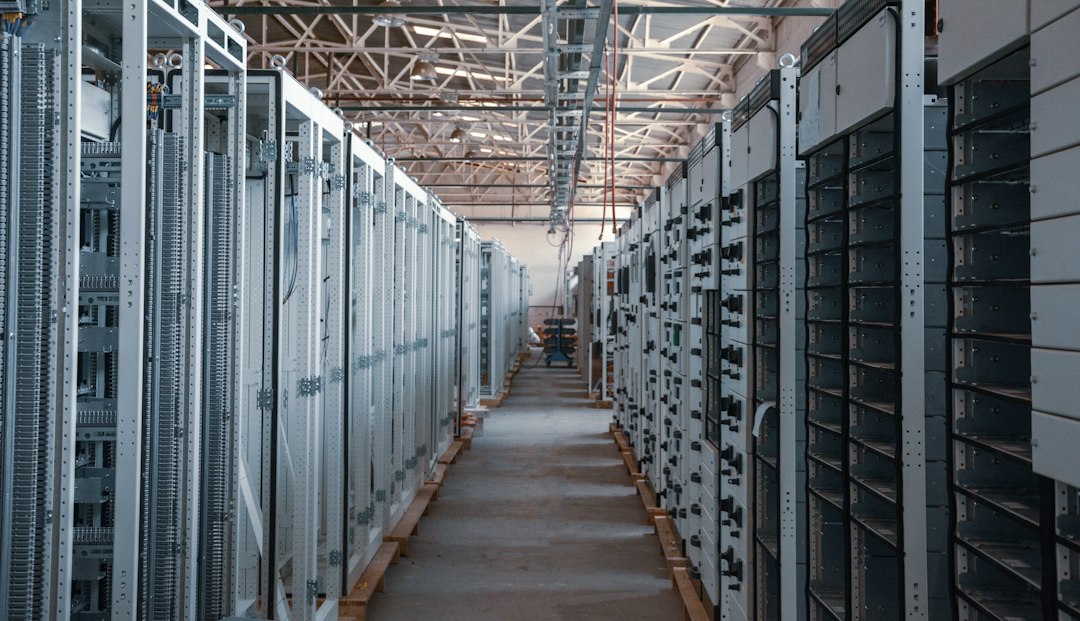
Tiered Storage: Hot, Warm, and Cold Data Economics
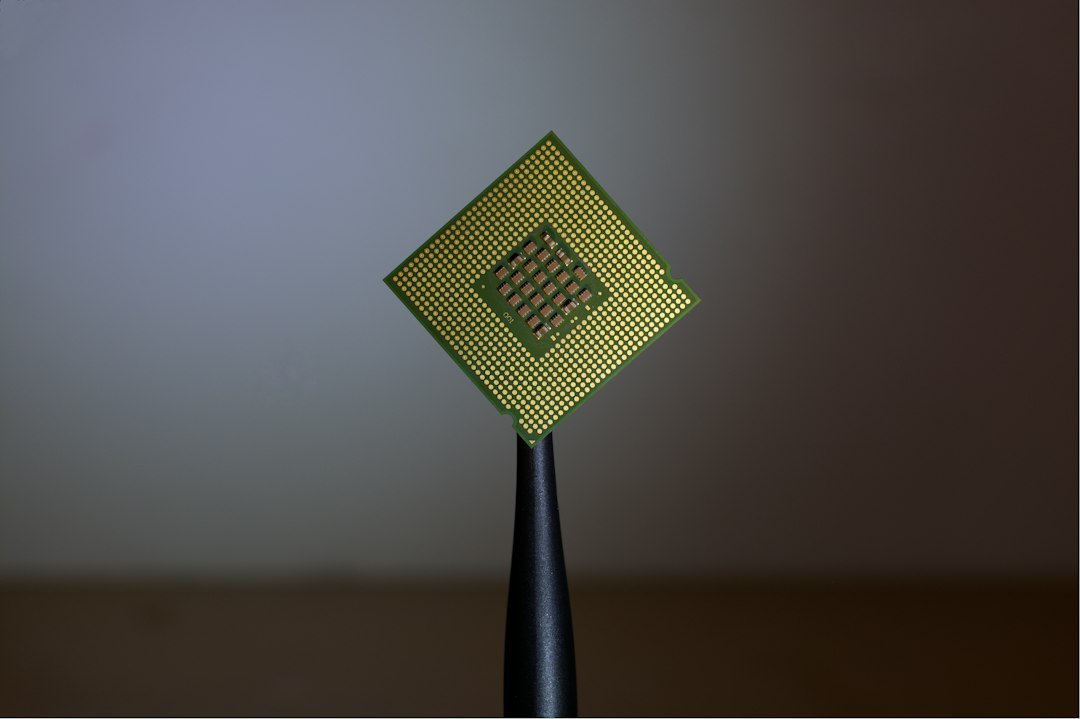
Thread Pinning: CPU Affinity and Performance Isolation

Bloom Filter Alternatives: Cuckoo Filters and Xor Filters

RPC Frameworks: Why Remote Calls Still Look Local

Rate Monotonic Scheduling: Real-Time Task Priority Assignment
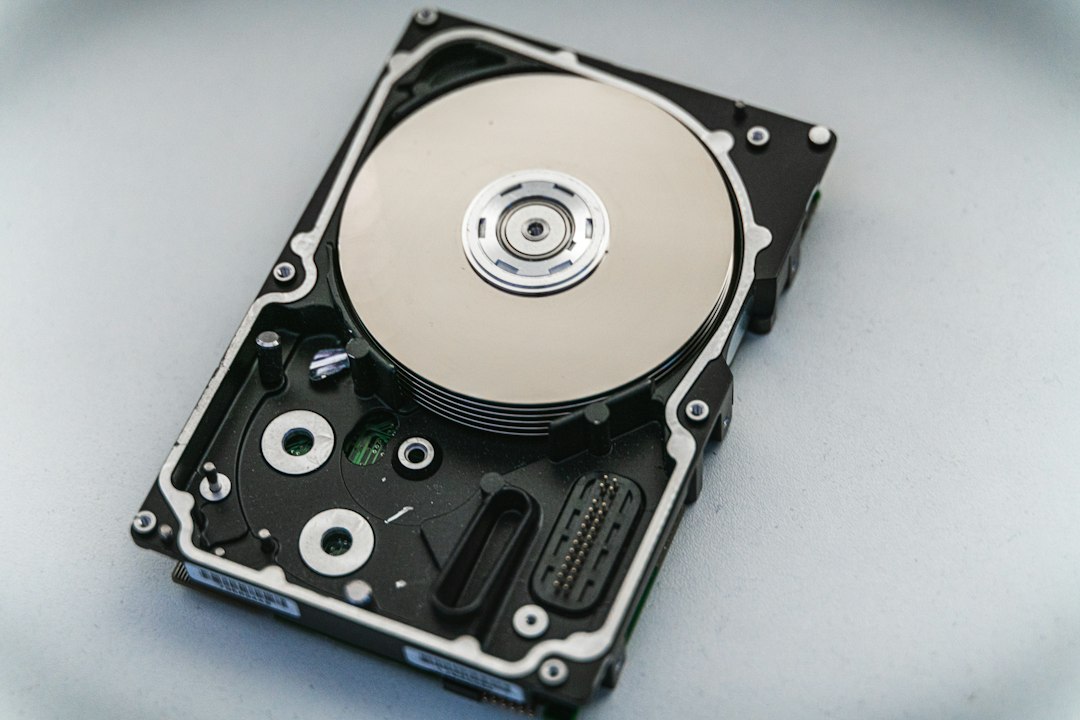
Copy-on-Write Filesystems: Efficient Snapshots and Data Integrity

Virtual Threads: Lightweight Concurrency in the JVM

Serialization Formats Compared: Protobuf, Avro, FlatBuffers, and the Schema Evolution Problem
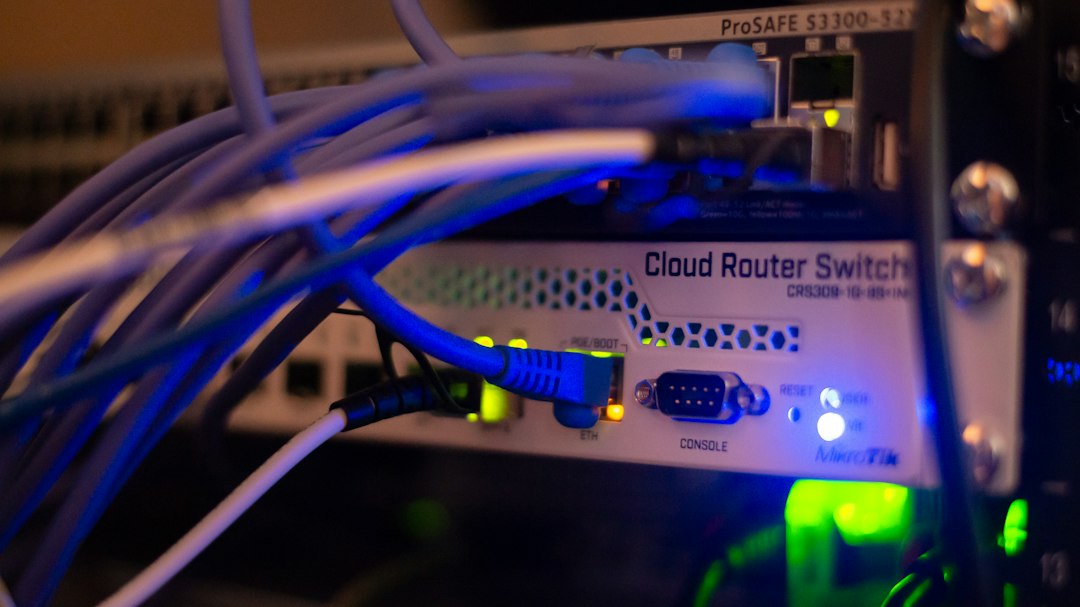
Connection Multiplexing: Running Multiple Requests Over a Single TCP Stream

Thundering Herd: When Cache Expiration Becomes a DDoS

Lock-Free Data Structures: Why Compare-and-Swap Isn't the Whole Story

Why Database Query Planners Matter More Than You Think
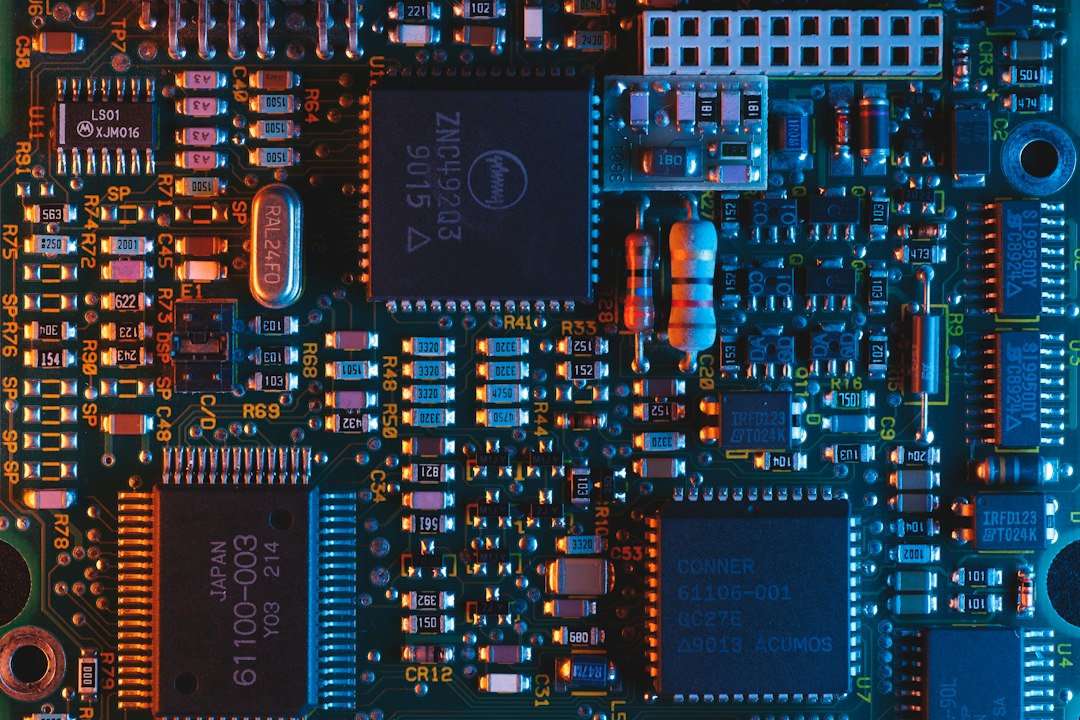
SSDs and Write Amplification: Why Flash Storage Wears Out
Compaction in LSM-Based Storage: Trading I/O for Performance

Cache Coherence and the MESI Protocol: Why Multi-Core Sharing Is Hard

Stackful vs. Stackless Coroutines: The Design Decision That Defines Your Async Runtime

RUM vs Synthetic Monitoring: Why You Need Both
Thread-Per-Core Architecture: Why Modern Systems Are Abandoning Shared Concurrency

Continuous Profiling: Always-On Visibility Into What Your Code Actually Does
DPUs and SmartNICs: Offloading the Data Plane

Generational Garbage Collection: Why Your Runtime Tracks Object Age
Loss-Based vs. Model-Based TCP Congestion Control
Erasure Coding: Cheaper Durability for Distributed Storage

Why B-Trees Still Dominate Database Indexing
Work-Stealing Schedulers: How Modern Runtimes Balance Concurrent Tasks

Zero-Copy Networking: Moving Data Without Moving Data

HTTP Request Smuggling: Protocol Ambiguity as Attack Surface
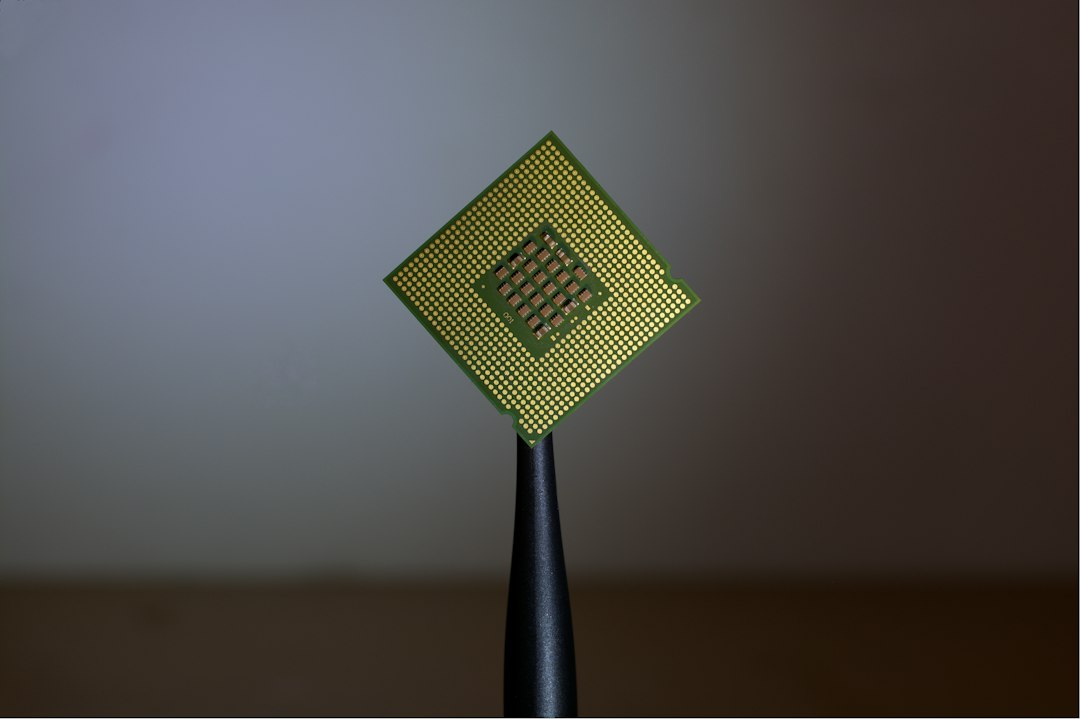
Branch Prediction: How CPUs Guess the Future

Phantom Reads: The Subtle Isolation Anomaly

Observability Cardinality: Why High-Dimensional Metrics Break Systems
Jemalloc and Memory Allocator Performance

Horizontal Pod Autoscaling: Right-Sizing Workloads Under Load

Read-Through and Write-Through Caching Strategies

Connection Draining: Graceful Shutdown in Load-Balanced Systems
Tiered Compilation: Why Modern JVMs Start Fast and Run Faster

Compression Dictionaries: Shared Context for Faster Web Assets
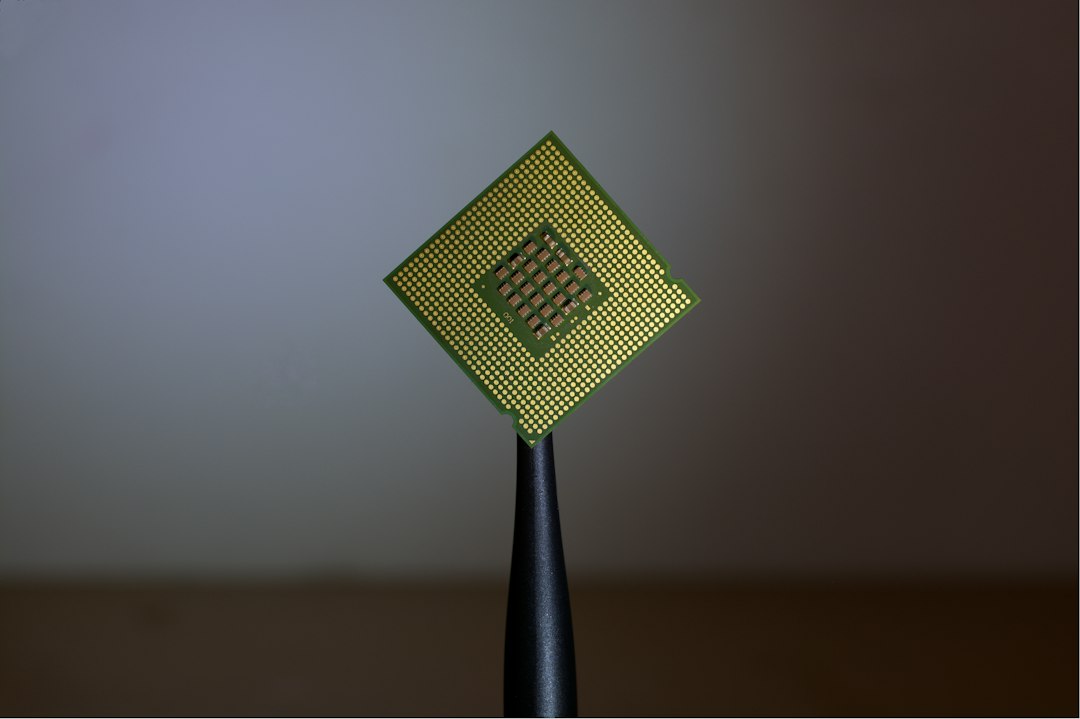
SIMD: Parallel Data Processing Inside a Single Instruction
Copy-on-Write: How Modern Systems Defer the Expensive Work

Kernel Bypass Networking: Why User-Space Data Paths Matter

Why Database Connection Limits Matter More Than You Think

Resource Limits and Cgroups: How Container Isolation Actually Works

Speculative Execution: Why Modern CPUs Guess Before They Know
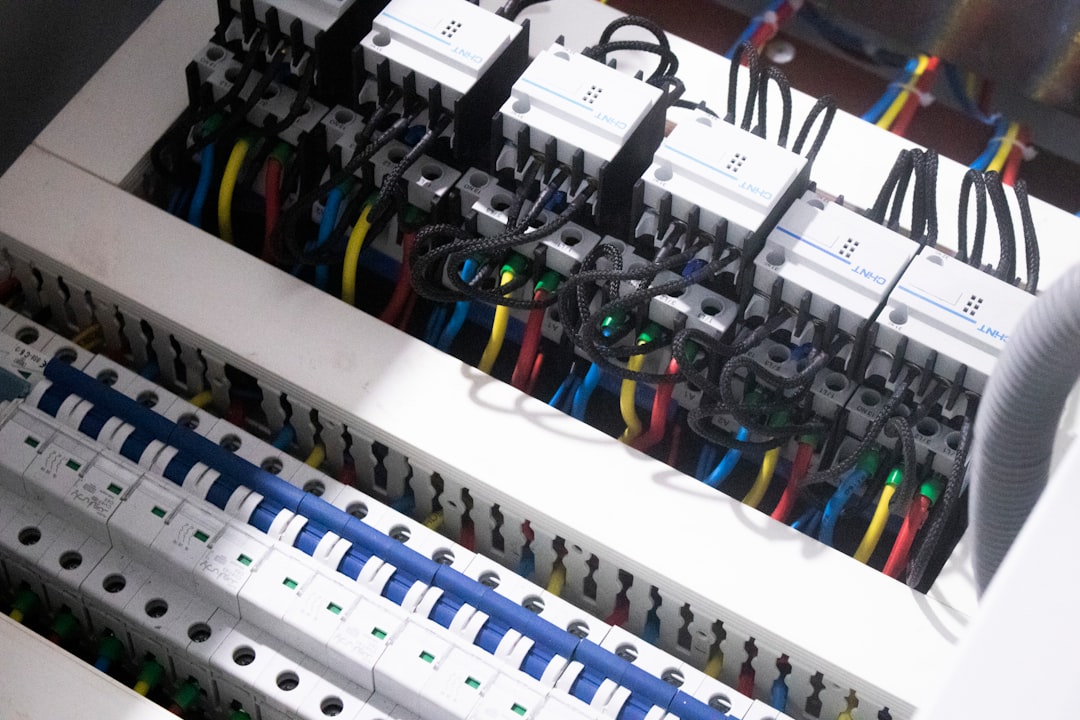
Circuit Breakers: Preventing Cascading Failures in Distributed Systems

Connection Pooling: Why Database Connections Are Expensive

Network Partition Testing: Why Simulating Failure Is So Hard

Shadow APIs: The Untracked Endpoints in Your Infrastructure

Why Distributed Systems Can't Just Use the Clock on the Wall
CXL and the Slow Unbundling of Server Memory

Content-Addressable Storage: When Data's Address Is Its Own Fingerprint
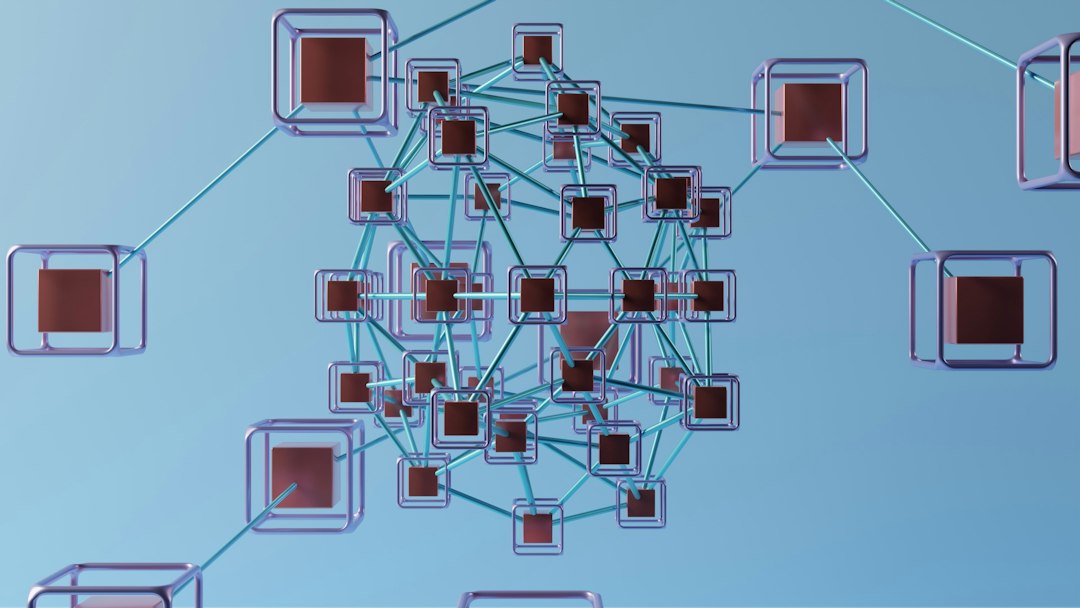
The Saga Pattern: How Microservices Fake Transactions They Can't Actually Have

Data Mesh: Why Some Companies Are Giving Up on Centralized Data Platforms

Feature Stores: The Missing Layer Between Data and Machine Learning

Merkle Trees: The Quiet Structure Behind Trustworthy Data

Why Time-Series Data Needs Its Own Kind of Database

Write-Ahead Logging: The Quiet Mechanism Behind Database Durability

Backpressure: How Systems Avoid Drowning in Their Own Success

Why Data Centers Are Betting on Liquid Cooling

Gossip Protocols: How Distributed Systems Spread the Word
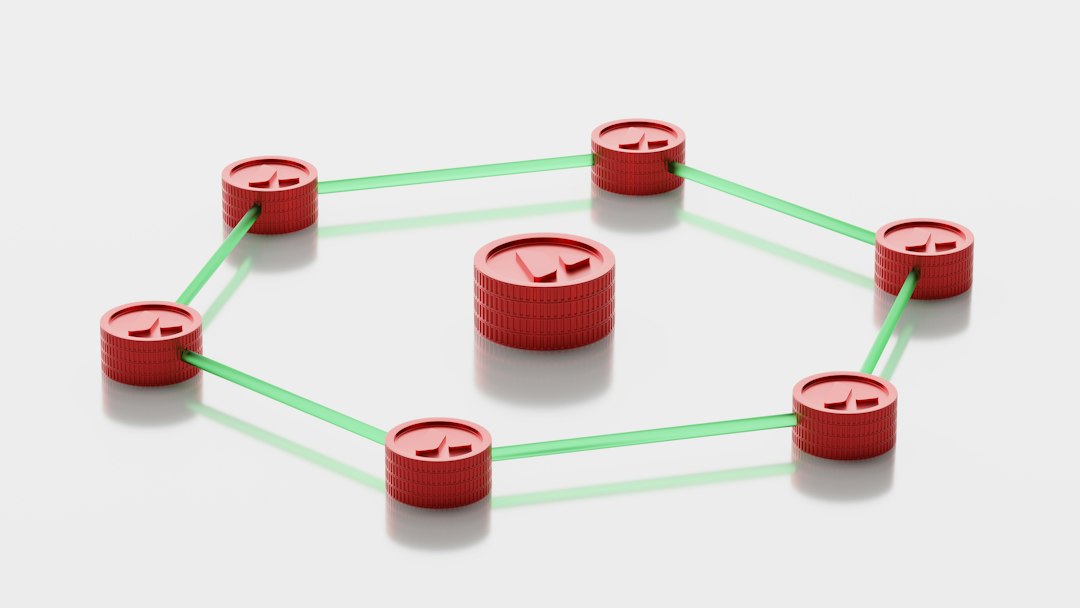
Consistent Hashing: The Quiet Trick Behind Scalable Caches and Databases

Bloom Filters: The Humble Data Structure Behind Fast "Definitely Not" Answers

Rate Limiting: The Quiet Mechanism Holding APIs Together

Serverless Cold Starts: Why They Still Haven't Been Solved

Apache Arrow and the Quiet Standardization of In-Memory Data

Idempotency Keys: How APIs Survive an Unreliable Network

The Monorepo Comeback: Why Big Codebases Are Converging Again

Event Sourcing: Rebuilding State From a Log of Truth

Why AI Companies Are Betting Big on Synthetic Data

Why Raft Won: The Quiet Standardization of Distributed Consensus

Why ARM Is Winning the Data Center

LSM Trees: The Storage Engine Quietly Powering Modern Databases

The Rise of the Neocloud: Why GPU Capacity Became Its Own Market
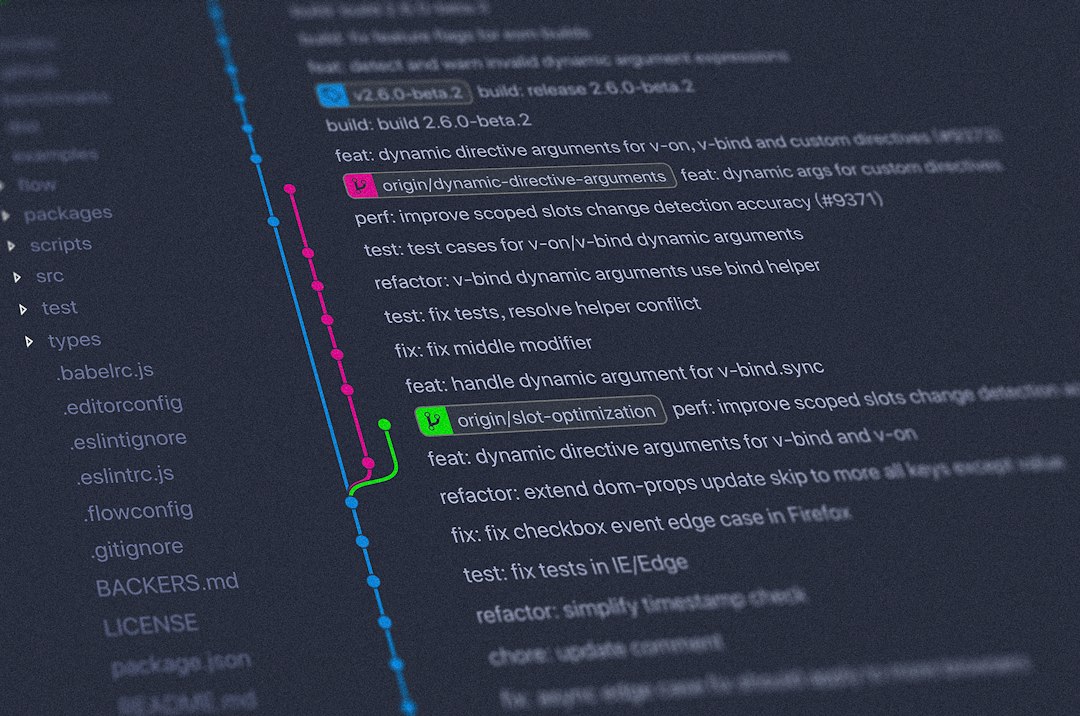
Change Data Capture: The Plumbing That Keeps Distributed Systems in Sync
MVCC: Why Your Database Keeps Multiple Versions of Every Row

Why AI Agents Are Harder to Build Than They Look
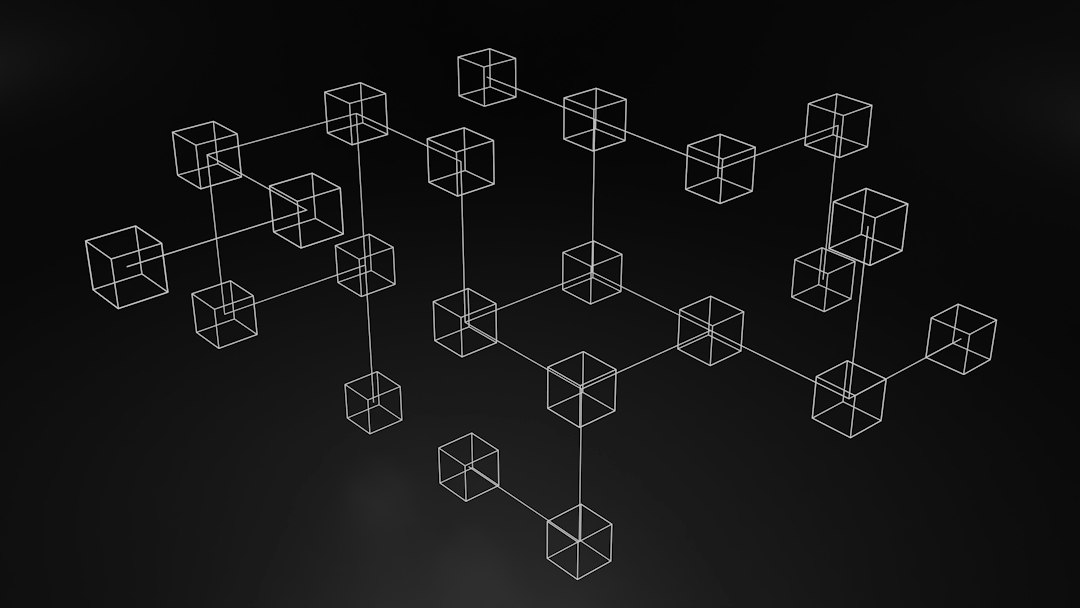
Structured Concurrency: The Programming Model Fixing Async Code
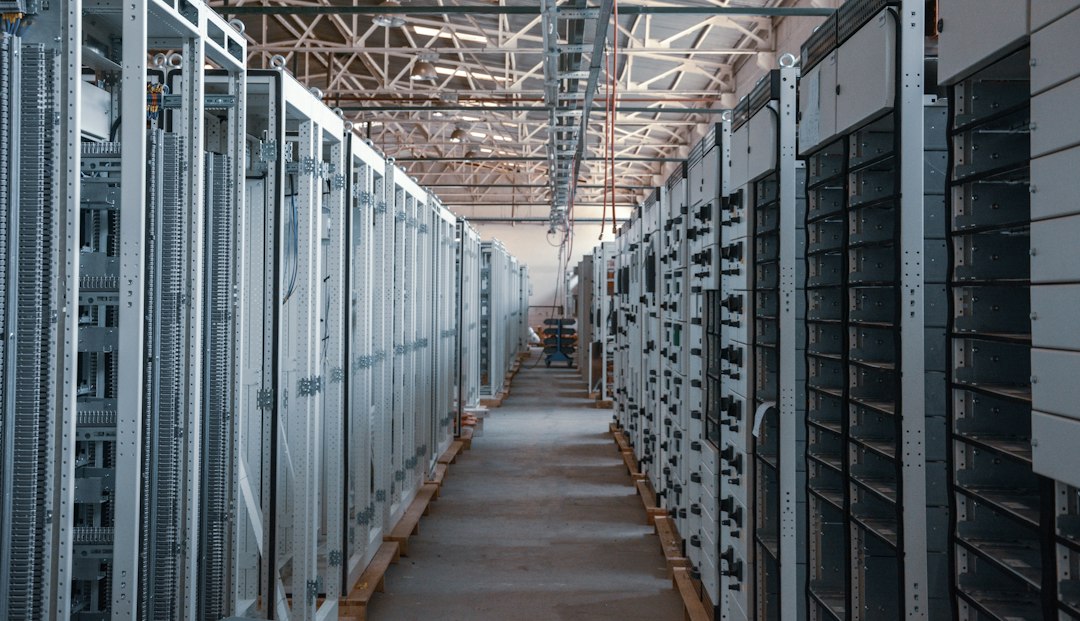
Compute-Storage Disaggregation: How Cloud Databases Are Rethinking Their Foundations

Service Mesh Architecture: The Sidecar Model and Why It's Being Rethought
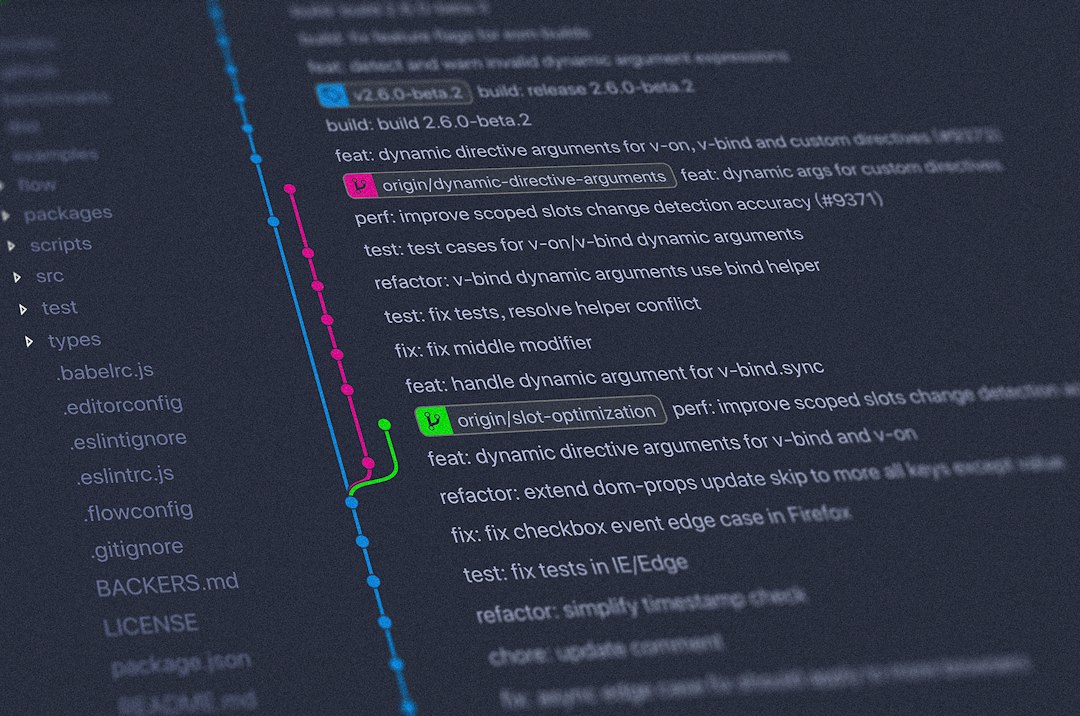
Durable Execution: Writing Code That Survives Failure

Carbon-Aware Computing: Scheduling Work Around the Grid

Deterministic Simulation Testing: Making Distributed Bugs Reproducible

io_uring: Why Linux Finally Got Async I/O Right

Zero Trust Isn't a Product, It's an Architecture Shift

How CDNs Quietly Became Compute Platforms

Why Serving AI Models Is Harder Than Training Them
Why Some Engineering Teams Are Going Back to the Monolith
Why Engineers Deliberately Break Their Own Systems

The Data Lakehouse: Why Warehouses and Lakes Stopped Being Separate Things
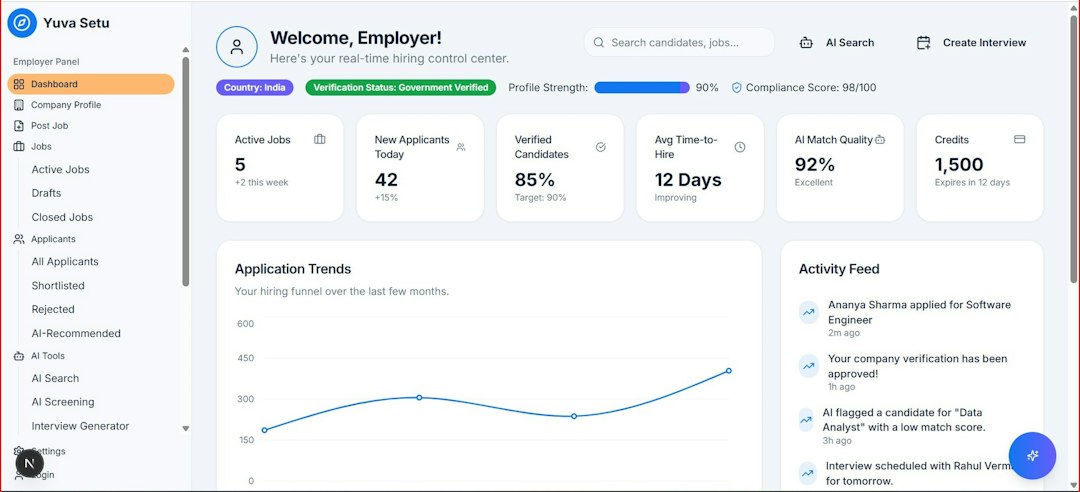
Feature Flags Ate the Deployment Pipeline

Why Post-Quantum Cryptography Is Already a Today Problem

Platform Engineering: Why Companies Are Building Internal Developer Platforms

Why Postgres Keeps Absorbing Other Databases' Jobs

WebGPU and the Quiet Rewiring of Browser Graphics

Why Software Bills of Materials Are Becoming a Baseline Requirement

Confidential Computing: Encrypting Data Even While It's in Use

Why Observability Finally Got a Standard

Local-First Software: Why Your Next App Might Not Need the Cloud to Feel Instant
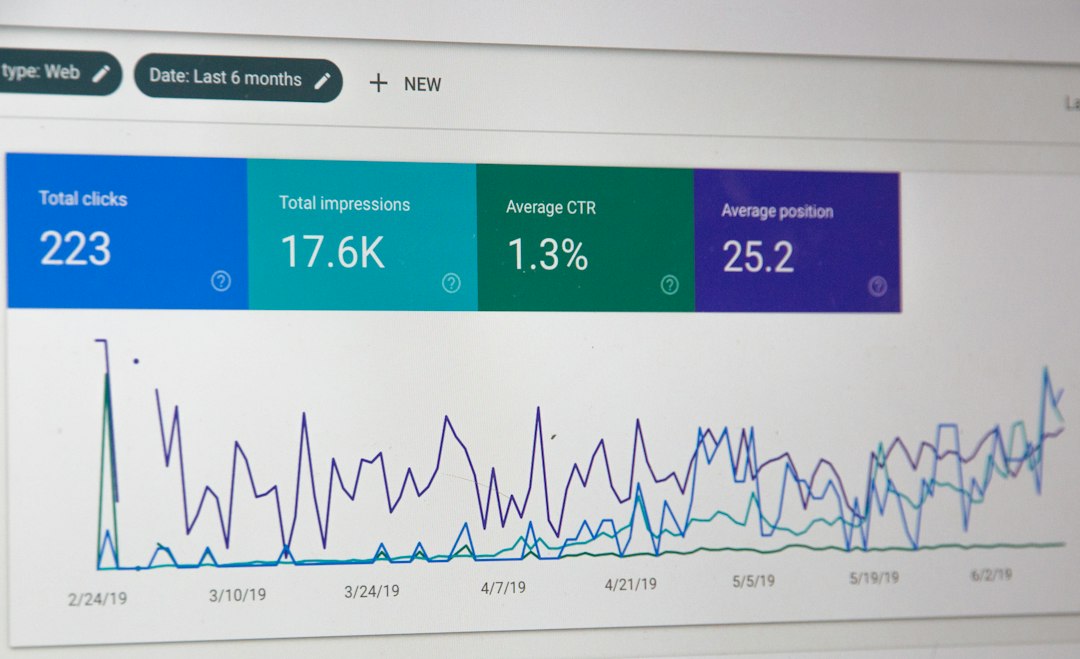
The P99 Problem: Why Tail Latency Defines User Experience

eBPF: The Programmable Kernel That Rewired Linux Infrastructure

Why Vector Databases Quietly Became Core Infrastructure

Memory Safety: The Bug Class the Industry Can't Keep Ignoring

Why HTTP/3 Runs on UDP (And What That Actually Means)

Why Leaving the Cloud Costs More Than Joining It

SQLite Is Everywhere, and That's Not an Accident

WebAssembly's Quiet Second Act: From Browser Trick to Server Runtime

The Rise of On-Device AI: Why Phones Are Getting Smarter Without the Cloud
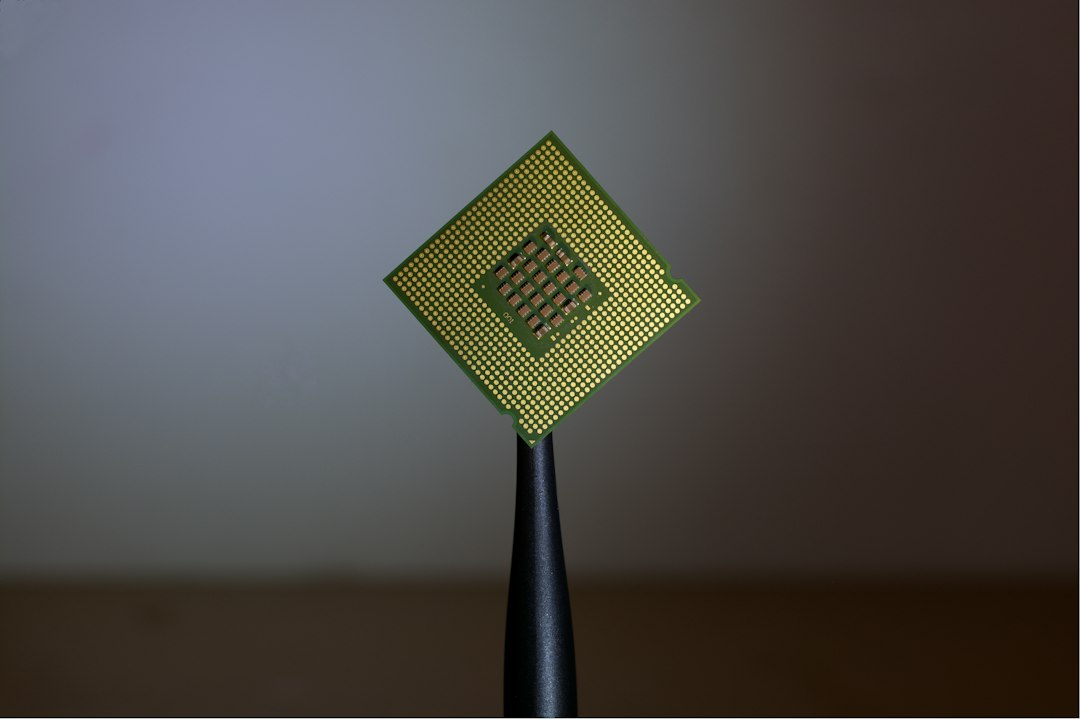
RISC-V Is Quietly Becoming a Serious Alternative to ARM and x86

Why Every Browser Is Suddenly a Chromium Skin

Passkeys Are Finally Killing the Password — Here's Where Adoption Stands

The Open Source Sustainability Problem: Who Pays for the Software Everyone Uses?