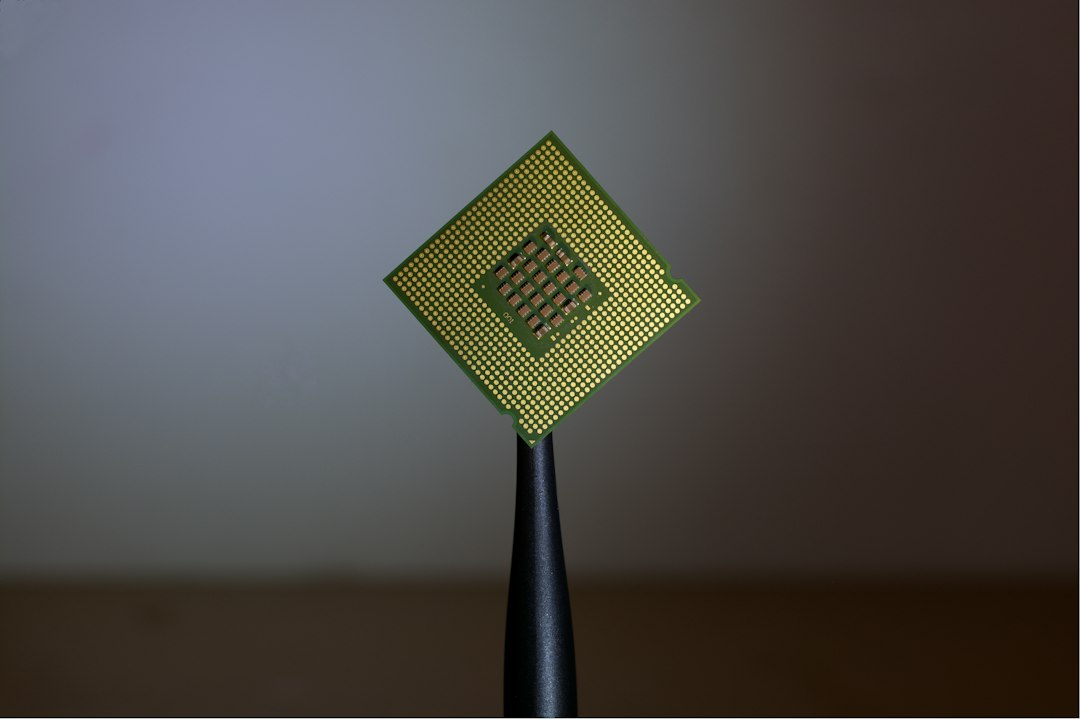
Photo by Brian Kostiuk on Unsplash
RISC-V Is Quietly Becoming a Serious Alternative to ARM and x86
For decades, chip architecture has been a two-horse race: x86 (Intel, AMD) for PCs and servers, ARM for phones and increasingly everything else. RISC-V, an open-source instruction set architecture with no licensing fees, has spent years as the “interesting but niche” option. That’s starting to change.
What makes RISC-V different
Unlike x86 or ARM, RISC-V isn’t owned by a single company. Its instruction set is open, meaning anyone can design a chip around it without paying licensing fees or asking permission. That appeals to companies that want more control over their silicon roadmap — or simply want to avoid being dependent on a single vendor’s pricing and export rules.
Where it’s actually showing up
- Embedded and IoT devices were the first real foothold — simple, low-power chips where RISC-V’s flexibility and low cost made sense immediately.
- Storage controllers and microcontrollers from major manufacturers now commonly use RISC-V cores.
- Mobile and laptop-class chips are the newer frontier, with several vendors demonstrating RISC-V designs aimed at real consumer hardware rather than just development boards.
- Data center interest has grown as hyperscalers explore custom silicon to control costs and reduce reliance on any single chip supplier.
The real obstacle isn’t the hardware
RISC-V chips exist and keep getting faster. The harder problem is software: operating systems, compilers, and application ecosystems built around decades of x86 and ARM assumptions. Major Linux distributions now support RISC-V, and toolchain support has matured significantly, but the long tail of proprietary software and driver support still favors the incumbents.
Why it matters for the industry
RISC-V’s momentum isn’t about dethroning ARM or x86 overnight — it’s about giving companies a credible third option, which changes negotiating leverage across the entire chip industry. Even if you never buy a RISC-V device directly, its existence is already shaping pricing and licensing conversations at every major chip vendor.